
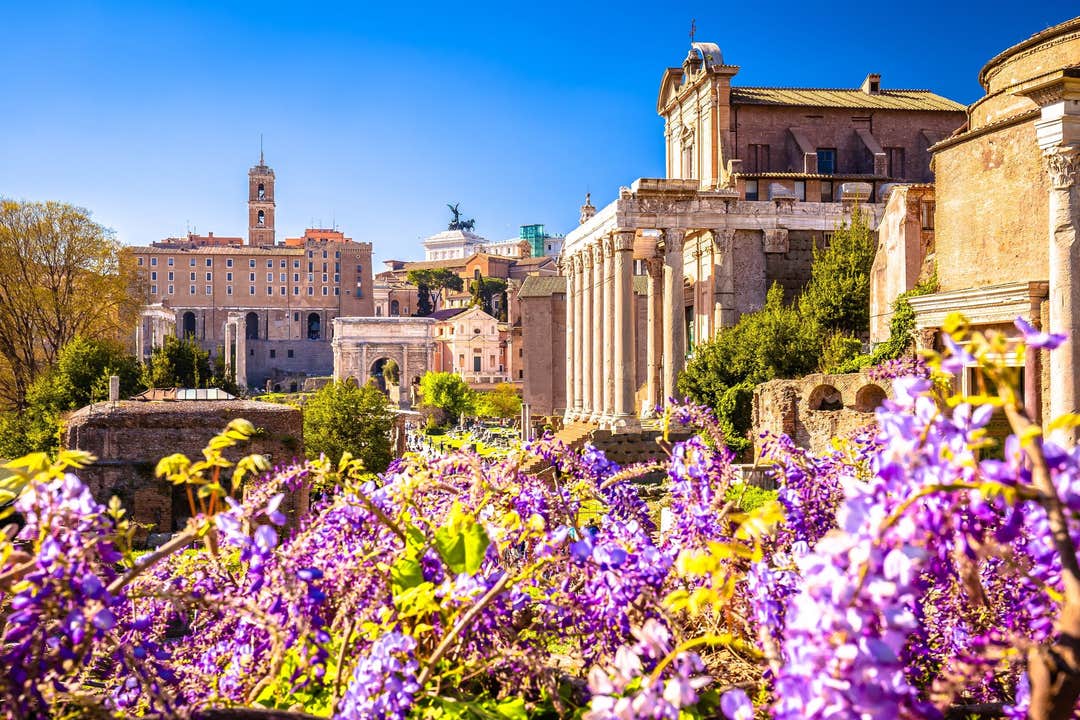


Planning a trip to Italy in April? This is one of the most strategic times to visit, sitting between the quiet winter season and the peak summer crowds. Spring in Italy offers fewer tourists, blooming landscapes, and a more relaxed travel experience across cities and the countryside.
April in Italy is a transitional month, with varying weather across regions. Northern areas can be cooler and rainy, while the south tends to be warmer and sunnier. Choosing the right destinations and staying in top Italian accommodations can help you navigate these differences.
Timing is also important due to Easter, one of Italy’s biggest holidays. During this period, crowds increase, prices rise, and availability becomes limited, especially in major cities. Booking early, including cheap flights to Italy, is essential if your trip overlaps with this peak.
With proper planning, Italy in April can be highly rewarding. You’ll enjoy pleasant sightseeing conditions, seasonal events, and better value overall. Whether you’re traveling independently or looking into the best vacation packages in Italy, understanding the timing and conditions will help you plan a smoother trip.
Is April a Good Time to Visit Italy?

April is one of the strongest shoulder-season months for visiting Italy, offering mild temperatures, manageable crowds, and better value than the summer peak. For most travelers, it strikes an appealing balance between comfortable conditions and accessibility.
Temperatures across the country generally range from 59 F (15 C) to 72 F (22 C), warm enough for full days of sightseeing without the exhausting summer heat. Tourist numbers at major attractions are noticeably thinner than in June, July, and August.
Accommodation rates also tend to run lower outside of Easter week, making April a more budget-friendly window for booking hotels and vacation rentals in Italy.
Spring also brings Italy's landscapes into full bloom, adding a visual dimension that benefits cultural exploration, food-focused trips, and photography.
Beach holidays and alpine hiking are the main exceptions. Sea temperatures remain cool across most of the coastline, and many beach facilities are only partially open.
Rain is possible in all regions, particularly in the north, so consistently sunny skies aren't guaranteed. Travelers whose dates overlap with Easter should also expect higher prices and reduced availability unless they book well in advance.
Weather in Italy in April: Regional Breakdown

Weather conditions vary significantly across Italy in April, so your experience depends heavily on your destination. April is a transitional spring month, bringing a mix of mild temperatures, increasing daylight, and occasional rainfall.
Here’s a detailed regional breakdown of what to expect when visiting Italy in April.
Weather in Northern Italy in April

Northern Italy is the coolest and wettest region in April, with a mix of sun, clouds, and occasional rain. In alpine areas like the Dolomites, snow can still linger, and some higher trails may be inaccessible.
For cities like Milan and Venice, April is still a good time for cultural trips, museum visits, and indoor attractions. Lake destinations such as Lake Como begin to come alive later in the month, though early April in Italy can feel quiet and cool.
- Average temperature: 50 F to 64 F (10 C to 18 C)
- Rainfall: 8 to 12 rainy days per month; generally light to moderate showers
- Daylight hours: 13 to 14 hours of daylight
April Weather in Central Italy

Central Italy has some of the most balanced weather in April, with mild temperatures ideal for sightseeing and walking. Rain is usually brief and manageable, often followed by clear skies. Spring brings blooming landscapes, making cities like Rome and Florence comfortable for full-day exploration.
- Average temperature: 55 F to 68 F (13 C to 20 C)
- Rainfall: 6 to 9 rainy days per month; usually short, scattered showers
- Daylight hours: around 13 hours of daylight
Weather in Southern Italy in April

Southern Italy in April is the warmest and sunniest region, with more consistent sunshine and ideal conditions for outdoor activities. Coastal areas like the Amalfi Coast and Sicily are especially scenic.
However, sea temperatures remain cool (59 F to 63 F / 15 C to 17 C), making swimming less appealing. Early April can feel quiet in smaller towns, with more activity later in the month.
- Average temperature: 61 F to 72 F (16 C to 22 C)
- Rainfall: 4 to 7 rainy days per month; lighter and less frequent
- Daylight hours: 13 to 14 hours of daylight
Key Weather Insight in Italy in April

The weather in Italy in April is variable across all regions. It is common to experience sunshine, clouds, and light rain on the same day.
Wind can occasionally make temperatures feel cooler, especially in coastal and northern areas. Layered clothing is essential, as conditions can shift between morning and evening.
Flexibility is key. Planning a mix of indoor and outdoor activities ensures you can make the most of your trip regardless of weather changes.
For more weather information, visit ItaliaMeteo’s official website.
Early April vs Late April in Italy: What’s the Difference?

Timing within April can significantly shape your experience in Italy, with early and late April offering distinct conditions for travelers. When you arrive within the month affects weather, crowd levels, pricing, and how much of the country is fully operational.
- Early April (around April 1 to 15): Cooler temperatures, fewer tourists, and a higher likelihood of rain, particularly in the north. Some coastal towns and rural accommodations may still be operating on limited schedules. The tradeoff is better pricing and quieter destinations, making this window well-suited for travelers who prefer a slower pace and don't mind a bit of unpredictability.
- Mid to late April (around April 16 to 30): Warmer weather, more attractions fully open, and a livelier atmosphere across cities and the countryside. Prices tick upward slightly, but the improved conditions and wider availability make this period especially appealing for first-time visitors and multi-city itineraries.
Easter is the single biggest variable when it falls in April. Accommodation in Rome and Florence sells out quickly, Vatican City becomes extremely crowded, and prices for flights and hotels jump noticeably.
Religious events and processions draw large numbers of visitors to cities and smaller towns alike, so booking everything as early as possible is essential if your trip coincides with the holiday.
Best Places To Visit in Italy in April

April is one of the best months to explore Italy’s cities and countryside, thanks to mild weather, fewer crowds, and vibrant spring scenery. The top Italian destinations below offer the best balance of climate, accessibility, and overall travel experience during this time of year.
Rome in April

Rome is one of the best places to visit in Italy in April. During spring, the city offers mild weather, blooming parks, and a lively yet manageable atmosphere. April brings longer days and comfortable temperatures, making it one of the best times to visit Rome.
Rome’s iconic landmarks are easier to enjoy this time of year. The Colosseum, Roman Forum, and Palatine Hill are far more pleasant to explore in April. A guided tour of the Colosseum, Roman Forum, and Palatine Hill helps you navigate these historic sites more efficiently while avoiding peak-hour crowds.
For a deeper experience, a Colosseum's underground and ancient Rome tour gives access to restricted areas and avoids peak-hour congestion.

The Pantheon is another must-visit, particularly in spring when foot traffic is more manageable. Securing an entry ticket to Rome's Pantheon with an official audio guide allows you to skip lines and better understand its architecture and history. Visiting early in the morning or later in the day helps avoid the busiest periods.
Although a separate country, the Vatican is easily accessible from Rome and is especially significant in April. It also experiences the heaviest crowds during Easter, so visiting early or booking a Vatican Museums, Sistine Chapel, and St. Peter's Basilica tour from Rome can help streamline your experience. Be sure to check schedules in advance, as religious events may affect access and opening hours.

April is also perfect for Roman neighborhood tours. Districts like Trastevere and Campo de Fiori are vibrant but not overwhelming in April. For an immersive exploration, consider joining the Trastevere and Campo de Fiori street food walking tour in the late afternoon or evening.
Plan your activities early in the day and book in advance, particularly during peak periods, to maximize your spring trip. Joining Rome city sightseeing tours can help optimize your itinerary, while city cards in Rome offer bundled access to attractions and transport, saving time and effort.
Florence in April

April is considered one of the best times to visit Florence, when art, history, and everyday life blend seamlessly without the peak-season crowds. The city feels more open and breathable in spring, with mild temperatures making it comfortable to move between landmarks, neighborhoods, and viewpoints throughout the day.
Florence’s most iconic sites are easier to appreciate during this time. The Duomo complex stands out not just for its architecture but for the ability to explore it at a steadier pace, especially with a Duomo Cathedral tour.
Nearby, the historic center unfolds naturally through piazzas and streets, while access to landmarks like Palazzo Vecchio becomes smoother with a skip-the-line entry to Palazzo Vecchio with an audio guide.

Florence’s museums remain a central highlight, but April allows for a more manageable visit. Seeing Michelangelo’s David is far more enjoyable with a timed entry ticket to the Accademia Gallery, particularly if you book an early morning slot. Securing museum tickets in Florence in advance helps avoid queues.
Meanwhile, cultural tours or a guided tour of Florence's Renaissance and Medici tales provide a deeper context that enhances the experience.

Beyond its major attractions, the city reveals its character through smaller details in spring. A guided walking tour of Florence can uncover quieter corners and local stories. Places like the Medici Chapel are easier to explore with a reserved entrance ticket to the Medici Chapel. The city feels less rushed, allowing more time to appreciate its artistic and historical layers.
April is also a good time to indulge in seasonal flavors with food and drink experiences in Florence. A pasta cooking class with unlimited wine offers a relaxed way to connect with Italian cuisine, especially when the weather turns.
For a broader overview of the city, Florence city sightseeing tours can help structure your visit while adapting to both time and conditions.
Venice in April

Venice feels quieter and more atmospheric in spring, making it one of the most scenic places to visit in Italy in April. The city becomes easier to navigate, allowing you to explore its canals and streets at a slower, more enjoyable pace. It offers a balance of accessibility and charm that is harder to find in peak season, making April one of the best times to visit Venice.
Top Venetian landmarks are far more enjoyable without peak-season congestion. St. Mark’s Square and St. Mark’s Basilica remain must-visit highlights, but with shorter queues and a more relaxed atmosphere that allows you to take in the details.
Just steps away, the Doge’s Palace is particularly rewarding in spring. A Doge's Palace reserved entry ticket helps you skip lines and enter more efficiently. For a smoother experience, you can also fast-track your visit by joining a skip-the-line tour of Doge's Palace and St. Mark's Basilica.

One of the best ways to experience Venice is on foot. A small-group walking tour of Venice takes you through quieter districts beyond the main routes. April’s mild weather makes it easy to explore for hours and discover less crowded corners of the city.
Being on the water is essential to the Venice experience, and this is where April stands out. Gondola rides feel more relaxed without peak-season crowds, whether you choose a more flexible Venice Grand Canal gondola ride or opt for a quieter route. The calmer atmosphere enhances the overall experience, especially in the early morning or late afternoon.

April is also a good time to explore beyond the main island. A boat trip to Murano, Torcello, and Burano islands offers a change of pace, with colorful streets, artisan workshops, and fewer visitors than in summer. These islands are fully accessible in April, though checking ferry schedules in advance is recommended.
Rain is still possible, but it is usually light and short-lived, rarely affecting plans for long. Waterproof footwear can be useful, as some areas may experience minor flooding during high tide.
Tuscany and Umbria in April

Spring vacations in Tuscany and Umbria offer a slower, more scenic side of Italy in April. By this time of year, the countryside is beginning to fully awaken after winter. Rolling hills turn vibrant green, wildflowers bloom, and vineyards show early signs of the growing season.
In Tuscany, April brings out the region’s most picturesque landscapes, especially in areas like Val d’Orcia, Siena, and San Gimignano. Soft spring light, fresh greenery, and blooming fields create ideal conditions for outdoor exploration, making it one of the best times to visit Tuscany.

Experiences such as a guided wine and food tour in Tuscany allow you to sample regional flavors while enjoying the scenery. For a more active option, a private self-guided e-bike ride in Tuscany with a vineyard visit lets you explore at your own pace.
For a unique perspective, a balloon flight over Tuscany offers sweeping views of the countryside in full spring color.

Umbria, often considered Tuscany’s quieter counterpart, stands out for its authenticity and relaxed pace. Historic towns like Assisi and Orvieto are easier to explore without peak-season crowds, and a day trip to Assisi and Orvieto from Rome is a convenient way to experience the region’s highlights.
Those with more time can explore deeper through road trips in Umbria, discovering smaller villages, countryside views, and local traditions.
April is well-suited for countryside stays and agriturismo experiences, though some rural properties may reopen gradually in early April. By mid to late April, most services are fully available. Excursions, such as a day trip to Tuscany and Montepulciano from Rome, are also more comfortable thanks to milder temperatures.
Overall, Tuscany and Umbria in April provide a more relaxed and visually rewarding way to experience the Italian countryside.
Sicily in April

Sicily is one of the warmest regions in Italy in April, offering more sunshine and a relaxed atmosphere compared to the mainland. Its mix of coastal views, historic cities, and volcanic landscapes is easier to explore without summer crowds or heat. Spring delivers a well-balanced mix of culture and outdoor experiences in Sicily.
In cities like Palermo, Catania, and Syracuse, major attractions are more enjoyable with fewer visitors. Historic sites such as ancient Greek theaters, Baroque town centers, and bustling markets can be explored at a comfortable pace.
Coastal areas feel especially pleasant in spring, and an Ortigia Island and Sea Caves boat tour offers a scenic way to experience the coastline without peak-season congestion.

Mount Etna is another highlight that stands out in April, when cooler temperatures make hiking and exploration more manageable. A trekking tour to Mount Etna with a cable car and 4x4 provides access to higher altitudes.
Meanwhile, a morning or sunset day trip to Mount Etna offers different perspectives of the volcanic landscape. Weather conditions can vary at higher elevations, so dressing in layers is important.
Sicily is particularly well-suited for longer, flexible travel. Sicilian road trips allow you to move between coastal towns, archaeological sites, and rural areas at your own pace. For a more structured experience, options like a small-group tour of Sicily or a multi-day tour of Sicily and southern Italy can simplify logistics while covering key highlights.

Western Sicily also offers unique landscapes and cultural stops. A full-day excursion of Segesta, Erice, and Salt Pans from Palermo combines ancient ruins, hilltop towns, and coastal views in one itinerary. These areas are less crowded in April, making them easier to explore without time pressure.
While daytime temperatures are warm, the sea remains cool, limiting swimming. Some beach facilities may not be fully operational early in the month, though most tourist infrastructure is open. Booking travel packages in Sicily in advance can help coordinate transportation, accommodations, and activities more efficiently.
Where Not To Go in Italy in April

While April is a great time to visit many parts of Italy, some destinations are less suitable due to weather conditions, limited access, or seasonal closures. Understanding where not to go can help you plan a smoother and more enjoyable trip.
The Dolomites in April

The Dolomites are still transitioning from winter to spring in April, which makes them less ideal for most travelers. Snow often remains at higher elevations, and many hiking trails are either closed or unsafe due to lingering ice and unstable conditions.
Ski season may already be winding down, while summer activities have not fully started, leaving limited options for visitors. Cable cars, mountain huts, and some tourist services may also operate on reduced schedules.
Unless you’re specifically planning for late-season ski trips in Italy, it’s better to visit the Dolomites from late May onward.
Italian Beach Destinations in April

Italy’s beach destinations, including the Amalfi Coast, Sardinia, and parts of southern Italy, are not at their best in April. While temperatures may feel mild during the day, sea temperatures remain too cold for swimming.
In addition, many beach clubs, sunbed rentals, and seaside facilities are not yet fully operational, especially in early April. The overall beach atmosphere can feel quiet and underdeveloped compared to the lively summer season.
Italian beach holidays are better suited for late spring to early autumn visits.
Small Coastal Towns in Early April

Smaller coastal towns such as those in Cinque Terre and along the Amalfi Coast may not be fully open in early April. Some hotels, restaurants, and local businesses operate seasonally and may still be closed or running limited hours.
Transportation options, including ferries and local buses, can also be less frequent, making it harder to move between towns. While these destinations are still scenic, the overall experience may feel incomplete.
Visiting from mid-May onward ensures more services are available and a livelier atmosphere.
Best Things To Do in Italy in April

April is one of the best months for cultural and experiential travel in Italy. With mild weather, fewer crowds, and vibrant spring scenery, it’s an ideal time to explore both cities and the countryside at a comfortable pace.
Here are the best things to do in Italy in April.
Explore Italian Cities on Foot in April

Walking is one of the best ways to experience Italy in April, when mild temperatures and longer daylight hours make exploring comfortable and unhurried. Italian cities and towns become easier to navigate on foot without summer heat, allowing you to move seamlessly between landmarks and local neighborhoods.
Many must-visit destinations are best explored on foot. In Rome, routes linking the Colosseum, Roman Forum, and Pantheon are more enjoyable with fewer crowds, while areas like Piazza Navona and Trastevere invite slower exploration.
In Florence, you can walk easily between the Duomo, Piazza della Signoria, and Ponte Vecchio.
Venice encourages wandering through its canals and districts, while smaller cities like Bologna, Verona, and Siena offer compact historic centers perfect for walking.

Beyond the major cities, places like Lucca, Assisi, and Lecce stand out in April for their relaxed pace and walkable layouts. These destinations let you explore medieval streets, quiet piazzas, and local cafes without large crowds. Their smaller scale makes it easier to discover hidden corners and everyday Italian life.
Walking tours in Italy can add depth to your visit, offering historical context and access to both popular and lesser-known areas. April’s moderate crowds make these tours more engaging and easier to follow, especially in both major cities and smaller towns.
April in Italy enhances the experience with blooming flowers, open piazzas, and more outdoor spaces to enjoy. Starting early in the day and wearing comfortable shoes will help you make the most of your time, especially on cobblestone streets.
For shorter stays, walking keeps Italian city breaks efficient and flexible. Overall, April in Italy provides ideal conditions for exploring cities and towns at a relaxed pace, where the journey between places becomes part of the experience.
Indulge in Seasonal Italian Food and Wine in April

April is a great time to experience Italy’s food culture, as seasonal ingredients shape regional menus. Spring vegetables like artichokes and asparagus appear across dishes, with lighter flavors replacing winter cuisine. Italy in April offers meals that feel fresh and are closely tied to local traditions.
Food markets are especially lively during this period, offering insight into everyday life and regional specialties. Markets in cities like Bologna, Florence, and Palermo showcase fresh produce, cheeses, and cured meats at their peak. Market tours in Italy make it easier to navigate these spaces while understanding the ingredients and stories behind them.
Guided culinary experiences provide a deeper look into regional food culture. Culinary tours in Italy often combine tastings with local history, taking you through neighborhoods known for their specialties. These local Italian food tours are also a practical way to discover authentic eateries that might otherwise be missed.

Wine regions are equally appealing in spring, as vineyards begin to come back to life after winter. Italian wine tasting experiences in areas like Tuscany, Piedmont, and Sicily feel more relaxed in April, with fewer visitors and more personal interactions. The cooler weather also makes time spent outdoors in vineyards more comfortable.
For a hands-on experience, cooking classes in Italy offer a way to engage directly with regional cuisine. These classes are often held indoors, making them a reliable option on rainy days while still providing cultural insight. They also allow you to learn techniques and recipes that reflect the region you’re visiting.
While most food-related experiences are available year-round, some rural wineries or seasonal restaurants may operate on reduced schedules in early April. Booking ahead is recommended, especially for popular Italian food and wine experiences.
Visit Italian Museums Without Peak-Season Crowds

Italy’s museums are far more enjoyable to visit in April, when shorter lines and lighter crowds create a more relaxed experience. Major institutions like the Vatican Museums, Uffizi Gallery, and Accademia are easier to navigate, allowing more time to appreciate the artwork without the pressure of peak-season congestion.
Italy in April offers a rare balance where these world-renowned sites feel accessible yet still lively.
In Rome, the Vatican Museums and Capitoline Museums stand out for their scale and historical depth, while Florence’s Uffizi and Accademia showcase some of the most important works of the Renaissance.
Visiting in April means you can move through galleries at a steadier pace, making details easier to absorb. Booking Italian museum tickets in advance remains essential, especially around Easter when visitor numbers increase.

Beyond the major highlights, smaller and lesser-known museums offer a quieter and more intimate experience. Places like the Bargello Museum in Florence or Palazzo Altemps in Rome provide rich collections without the crowds. These spaces are ideal for slowing down and exploring art and history in a more focused setting.
Guided experiences, such as art tours or historical tours in Italy, can deepen your understanding of what you’re seeing, especially in museums with extensive collections. These tours often help you navigate efficiently while highlighting key works and lesser-known details that might otherwise be missed.
To make the most of museum visits in April, aim for early morning or late afternoon entry times. Some museums may have limited hours or closures on certain weekdays, so checking schedules in advance is important. Using Italian museum multi-passes can also save time and simplify access across multiple sites.
Overall, April in Italy provides ideal conditions for museum visits, combining cultural depth with a more comfortable and less rushed experience.
Discover Italy’s Countryside in Full Bloom in Spring

Spring transforms Italy’s countryside in April, with green hills, blooming wildflowers, and vineyards coming to life. Regions like Tuscany, Umbria, and parts of Sicily are especially scenic, offering open landscapes and a quieter atmosphere. It’s an ideal time to explore beyond the cities at a slower pace.
In Tuscany, Val d’Orcia and Chianti offer postcard-like views, while Umbria’s hill towns like Assisi and Spello feel more relaxed without peak crowds. In Sicily, inland areas and smaller towns provide a quieter, more authentic experience. These destinations are best explored through road trips in Italy, allowing flexibility to stop at viewpoints, villages, and vineyards along the way.

Outdoor activities are especially enjoyable during this time. Nature walks in Italy become more comfortable with mild temperatures, while bike tours and e-bike tours offer a more active way to explore rural landscapes. For a different pace, Vespa, scooter, and moped tours in Italy provide a classic and scenic way to move between countryside destinations.
Agriturismos and rural stays are a highlight in April, offering a closer connection to local life and traditions. Most are open by mid to late April, though some operate on limited schedules earlier, so booking ahead is recommended.
Joining Italian trips and excursions or structured multi-day tours in Italy can also help simplify logistics while covering multiple regions.
Take Scenic Train Journeys Across Italy in April

Train travel is one of the most efficient and scenic ways to experience Italy in April, as spring landscapes unfold across the country. Routes between cities like Florence, Rome, and Venice pass through rolling hills, vineyards, and historic towns.
The network of Italian rail services makes it easy to travel between major destinations and smaller towns. High-speed trains connect cities quickly, while regional lines provide access to countryside areas. For a more structured experience, rail tours in Italy combine transport with guided stops.

Some routes are highlights in themselves, especially in northern Italy. The Bernina Train and St. Moritz day trip from Milan showcases dramatic Alpine scenery. The Lake Como Cruise, St. Moritz, and Bernina Red Train tour from Milan adds both lakes and mountain views to the journey.
Booking ahead is recommended for high-speed routes, particularly on busy lines. Choosing morning departures and window seats improves the overall experience, especially for scenic sections.
Overall, train tours in Italy offer a practical and visually rewarding way to travel in spring.
Festivals and Events in Italy in April

April is one of the most culturally vibrant months in Italy, with a mix of religious traditions, historic celebrations, food festivals, and international events. These festivals offer a deeper understanding of local culture and are often tied to seasonal changes, making them especially meaningful to experience during this time.
Easter (Pasqua)

Easter is the most important religious holiday in Italy, marked by nationwide church services, processions, and traditional family meals. Falling between late March and April, it is a key cultural moment during spring, with traditions that reflect deep-rooted religious heritage across major cities and small towns.
Rome and Vatican City host the most prominent events, including Easter Mass in St. Peter’s Square led by the Pope. These ceremonies attract large crowds, so planning ahead is essential. Joining religious tours in Italy can help you better navigate the experience and understand the significance of the rituals.
Across the country, churches and cathedrals play a key role in Easter celebrations. Many host special services, concerts, and processions, making this an ideal time to explore historic religious sites. Italian cathedral tours offer a deeper look into architecture, art, and traditions, often enhanced by the seasonal atmosphere of Holy Week.
Easter brings higher prices, larger crowds, and some closures on Easter Sunday. Booking early and visiting attractions in the morning can help you avoid peak congestion while making the most of the experience.
Scoppio del Carro

Scoppio del Carro is a historic Easter Sunday tradition in Florence, where a decorated cart of fireworks is ignited in front of the Duomo. Dating back to the 17th century, it symbolizes good fortune and remains one of the city’s most unique Easter events.
The event starts with a traditional procession through the historic center, featuring period costumes and musicians. A mechanical dove is then sent from the cathedral to ignite the cart, triggering a fireworks display. Its success is believed to predict good luck for the year.
The ceremony takes place in the morning and attracts large crowds, especially around Piazza del Duomo. Arriving early is essential for a good viewing spot, particularly near the front. The event is free and held outdoors, but nearby streets may be closed or restricted, so planning your route in advance is recommended.
Holy Week Processions

Holy Week processions take place across Italy in the days leading up to Easter, offering some of the most solemn and visually powerful religious events of the year. These processions feature statues, candlelit marches, and participants in traditional robes, reflecting centuries-old customs.
They are especially prominent in southern Italy and Sicily, with notable events in cities like Palermo, Trapani, and Taranto. In some locations, processions can last for hours and move slowly through historic streets, creating a quiet, atmospheric experience that contrasts with larger, more festive celebrations elsewhere.
Processions usually take place in the evenings, with temporary street closures along the routes. Arriving early helps secure a good viewing spot, especially in smaller towns. These events should be experienced respectfully, as they are important religious traditions.
Pasquetta

Pasquetta, or Easter Monday, is a national holiday celebrated across Italy the day after Easter. It’s traditionally a time for relaxation and social gatherings, with many Italians heading outdoors for picnics, countryside trips, or coastal outings with family and friends.
Popular destinations such as parks, lakes, beaches, and rural areas become especially lively, particularly in good weather. Cities tend to quiet down as locals leave urban centers, making it a good day to explore less crowded historic streets or nearby towns.
However, increased domestic travel means trains, roads, and public spaces can be busier than usual. Some shops, restaurants, and attractions may remain closed or operate on reduced hours, especially in smaller towns. Planning flexible, outdoor activities and booking transport in advance can help you make the most of the day.
Natale di Roma

Natale di Roma, celebrated on April 21, marks the legendary founding of Rome in 753 BC. The event honors the city’s ancient origins with a mix of historical reenactments, parades, and cultural performances held across various locations.
The main celebrations take place around the Circus Maximus, where participants dressed in Roman armor and traditional costumes recreate scenes from ancient times. You can expect staged battles, marching legions, and ceremonial displays that bring Rome’s imperial past to life in a vivid and engaging way.
Additional events often spread throughout the historic center, including exhibitions, street performances, and themed activities near iconic landmarks like the Roman Forum and Capitoline Hill. These areas become particularly lively, offering a deeper connection to the city’s history beyond typical sightseeing.
Temporary road closures and increased foot traffic are common around key event zones, especially in the afternoon. Arriving early is recommended if you want a good viewing spot, and combining the event with nearby attractions can help you make the most of the day.
Liberation Day

Liberation Day, celebrated on April 25, commemorates the end of Nazi occupation and Fascist rule in Italy in 1945. It’s a national holiday observed across Italy in April with parades, ceremonies, and public events that honor those who fought for Italy’s freedom.
Major cities like Milan and Rome host the largest commemorations, with speeches, concerts, and ceremonies at key monuments. Milan’s events are especially significant due to its role in the resistance, and public squares often become gathering points for celebrations.
The day has a strong civic and cultural atmosphere, with many Italians participating in marches or attending community events. While most major tourist attractions remain open, some shops, restaurants, and smaller businesses may close or operate on reduced hours, especially outside major cities.
Public transport usually runs on a holiday schedule, and certain roads may be temporarily closed due to parades. Planning your day around central events or quieter neighborhoods can help you balance sightseeing with experiencing this important moment in modern Italian history.
Festa di San Marco

Festa di San Marco, celebrated on April 25, honors St. Mark, the patron saint of Venice. The day blends religious significance with local traditions that reflect the city’s identity. For those exploring Italy in April, it offers a quieter yet culturally meaningful experience compared to larger national celebrations.
One of the most distinctive traditions is the giving of a single rosebud, known as the bocolo, symbolizing love and devotion. Locals exchange these roses with partners, family, and friends, adding a subtle but visible charm to the city throughout the day.
Most activities take place around St. Mark’s Square, including services at St. Mark’s Basilica and small cultural events. While the celebration is relatively low-key, central areas can still see moderate crowds, especially as it coincides with Liberation Day.
The festival can be easily combined with sightseeing, particularly if you plan visits early in the day. Some local shops may operate on reduced hours, so a flexible schedule is helpful. Including this event in your April in Italy itinerary adds a unique cultural layer to your time in Venice.
Salone del Mobile

Salone del Mobile is one of the world’s leading design and furniture fairs, held annually in Milan, typically in April. It attracts designers, architects, and visitors from around the globe, transforming the city into a hub of innovation and creativity. It offers a unique opportunity to experience Milan at its most dynamic and design-focused.
The main exhibitions take place at Fiera Milano, showcasing cutting-edge furniture and design. At the same time, Fuorisalone brings installations and pop-up events to neighborhoods like Brera, Tortona, and Porta Venezia, turning the city into a lively design hub for visitors beyond the main fair.
While industry-focused, many exhibitions and installations are open to the public. Exploring design districts and showrooms offers an accessible way to experience Milan’s creative scene, alongside its museums and galleries.
Salone del Mobile impacts travel logistics, with higher accommodation prices and increased demand across the city. Booking early is essential, and visiting during off-peak hours helps avoid crowds. Including it in an Italy itinerary adds a modern cultural dimension to your April trip.
Vinitaly

Held in Verona, Vinitaly is the largest and most influential wine exhibition in Italy in April. It brings together producers, buyers, and wine professionals from around the world, showcasing a wide range of Italian wines from major regions like Tuscany, Piedmont, and Veneto.
While the event is industry-focused, some tastings and side events are open to the public. Across the city, wine bars and restaurants host special menus and events. This makes it a good time to explore wine tasting experiences in Verona, even without full access to the fair.
The main event takes place at Veronafiere, just outside the city center, and requires tickets or accreditation for entry. During this period, the city sees a noticeable increase in visitors, leading to higher accommodation prices and limited availability.
Planning ahead is essential, especially for hotels and transport. Visiting nearby wineries or scheduling tastings outside peak hours can offer a more relaxed experience. Including Vinitaly in your April in Italy itinerary adds a focused and immersive wine experience to your trip.
Sagra del Carciofo

Sagra del Carciofo, or the Artichoke Festival, is a seasonal food celebration in Italy in April, held in several towns, most famously in Ladispoli near Rome. It highlights the local artichoke harvest, a key ingredient in regional cuisine, especially during spring.
The festival typically features food stalls, cooking demonstrations, and tastings showcasing a variety of artichoke-based dishes, from fried and grilled preparations to pasta and stews. Streets fill with vendors and displays, creating a lively, community-focused atmosphere centered on local food culture.
Events typically run over a weekend and attract both locals and visitors. Arriving early helps avoid crowds and enjoy the best food. Plan transport ahead due to possible parking limits and road closures.
Palio della Rana

Palio della Rana takes place in Fermignano, in the Marche region, and is one of the more unusual local festivals in Italy in April. The highlight is a frog race, where participants push frogs in wheelbarrows through a course, competing for their district. The event also includes reenactments, medieval costumes, parades, and traditional music.
Held in spring, it offers a more intimate and community-focused experience than larger festivals. Arriving early helps secure a good viewing spot and allows time to explore the town. It’s a great addition to an April in Italy itinerary for those interested in lesser-known traditions.
Sagra del Ciambellino

Sagra del Ciambellino is a local food festival dedicated to ciambellino, a traditional Italian ring-shaped cake often made with simple ingredients like flour, eggs, sugar, and sometimes wine or anise. It's commonly held in regions such as Lazio and Umbria, particularly in small towns where local food traditions remain strong.
It features tastings of different variations of ciambellino, along with stalls offering homemade pastries, regional products, and local specialties. Visitors can often see demonstrations of traditional baking methods, giving insight into how these recipes have been passed down through generations.
Unlike larger festivals, Sagra del Ciambellino has a relaxed, community-focused atmosphere. It’s usually held over a weekend with small events and local gatherings. Arriving early lets you enjoy the food at a quieter pace, making it a pleasant addition to an April in Italy itinerary.
What To Pack for Italy in April

Packing appropriately is essential when visiting Italy in April due to variable weather.
Essentials include:
- Lightweight waterproof jacket
- Sweaters or layering pieces
- Comfortable walking shoes
- Umbrella
For optional items, you can also bring:
- Sunglasses
- Scarf
- Smart-casual outfits for dining
The key is to prepare for both mild temperatures and occasional rain.
Italy in April: A Smart and Rewarding Time to Visit

Italy in April offers one of the most well-rounded travel experiences of the year, combining mild weather, manageable crowds, and vibrant spring scenery. From historic cities and world-class museums to countryside landscapes in full bloom, spring in Italy creates ideal conditions for cultural exploration and outdoor discovery.
While there are some trade-offs, such as unpredictable weather and increased demand during Easter, these challenges can be managed with proper planning. Booking accommodations early, preparing for mixed weather, and timing your itinerary carefully will help you avoid common travel disruptions.
April is particularly rewarding for those interested in sightseeing, food, festivals, and slower-paced travel. The lighter crowds allow for a more immersive experience, whether you're exploring major landmarks, joining local events, or discovering lesser-known destinations.
If your priority is warmer temperatures and fully open coastal destinations, you may want to consider visiting Italy in May. However, for a balance of value, accessibility, and seasonal charm, Italy in April remains one of the most strategic times to visit.
FAQs About Visiting Italy in April

Planning a trip to Italy in April comes with common questions about weather, crowds, costs, and overall experience. Below are clear, practical answers to help you make informed travel decisions.
Is Italy worth visiting in April?
Yes, Italy in April is considered one of the best times to visit, especially for cultural travel. The weather is generally mild, crowds are lower than in summer, and spring landscapes enhance the overall experience. It’s particularly ideal for Italian city exploration, food experiences, and multi-day trips.
What is the weather like in Italy in April?
April in Italy is a transitional spring month with varying conditions across regions. Northern Italy tends to be cooler and wetter, central regions offer mild and balanced weather, while southern Italy is warmer with more sunshine. Expect occasional rain, so layering and flexible planning are key.
Is Italy crowded in April?
Crowds in Italy in April are generally moderate, making it easier to explore major Italian attractions compared to peak season. However, during Easter and major events, cities like Rome and Florence can become significantly busier. Outside these periods, you can expect shorter lines and a more relaxed atmosphere.
Is everything open in Italy in April?
Most major attractions, museums, and restaurants in Italy are open in April, particularly in cities and popular destinations. However, some coastal towns, beach clubs, and rural accommodations may still be partially closed in early April. Availability improves as the month progresses, especially by mid to late April.
Can you go to the beach in Italy in April?
While coastal areas are scenic in April in Italy, swimming is generally not ideal due to cold sea temperatures. Many beach facilities are not fully operational, especially early in the month. It’s better suited for sightseeing, coastal walks, and photography rather than beach holidays.
Is Italy expensive in April?
Italy in April is more affordable than peak summer months, with better deals on flights and accommodations. However, prices can rise significantly during Easter due to increased demand. Booking early is the best way to secure lower rates and better availability.
What are the best places to visit in Italy in April?
Top destinations to visit in Italy in April include Rome, Florence, and Venice for cultural travel, as well as Tuscany and Umbria for countryside experiences. Sicily is also a strong choice for warmer weather and fewer crowds. These locations offer the best balance of climate, accessibility, and overall experience in April in Italy.
What should I pack for Italy in April?
Packing for Italy in April requires preparation for variable weather. Essentials include a lightweight jacket, layers, comfortable walking shoes, and rain protection. Versatile clothing allows you to adapt to changing conditions throughout the day.
How many days do you need in Italy in April?
Well-paced trips to Italy in April typically range from 7 to 14 days, depending on your itinerary and travel style. Shorter stays can focus on Italian city breaks, while weekend getaways in Italy are ideal for exploring one or two destinations at a relaxed pace.
With more time, you can combine major cities with countryside regions or plan flexible road trips in Italy to cover multiple areas. The mild spring weather also makes longer travel days more comfortable and efficient, especially when moving between regions.
Is it better to visit Italy in April or May?
April offers fewer crowds and better value, while May brings warmer temperatures and more fully open coastal destinations. If you prefer a quieter and more budget-friendly trip, visiting Italy in April is ideal. For beach-focused travel, Italy in May may be a better option.
