


Know what to expect in Italy in February and discover the best places to go, which spots to skip, and what remains open in winter. This guide will also highlight special events, food traditions, and unique alpine experiences you can only enjoy this month.
Experiences vary widely by region. Snowy mountain areas, uncrowded art cities, and milder southern destinations each offer a different atmosphere, so advance planning is essential. February weather conditions and practical travel tips help you choose the right destinations.
Check out our Italy travel guide for more details. You can also browse winter-friendly tours and vacation packages, or explore the best hotels and places to stay in Italy to help plan your trip.
With good planning, February can be a rewarding time to visit, and this guide will help you make the most of it. Read on to plan your trip with confidence.
Is February a Good Time to Visit Italy?

February is a quieter, more local-feeling time to visit Italy. With fewer tourists, museums are calmer, cafes fill with locals, and famous sights are easier to enjoy. Italy’s Flights and accommodations are often more affordable, aside from periods around Carnival or public holidays.
Weather varies by region, with cold conditions common in much of the country and milder temperatures in the south. Coastal destinations feel subdued, with closed beach clubs and reduced ferry services. On the Amalfi Coast, winter closures and rough seas change the overall atmosphere.
February suits travelers who enjoy culture, history, and a slower pace. Art lovers can explore museums and historic sites in Rome or Florence without summer heat or heavy crowds. Museums, churches, and exhibitions remain open, paired with comforting seasonal Italian cuisine.
The month also benefits winter sports fans and crowd-averse travelers. Ski resorts in the Alps and Dolomites are fully open with reliable snow, while cities stay calm. February isn’t ideal for beach trips, but it rewards travelers seeking depth and authenticity.
Weather in Italy in February

February in Italy brings a cool and crisp atmosphere, with winter still holding its grip across much of the country. It’s a month where you can expect a mix of chilly days, occasional rain, and the possibility of snow in certain areas, especially in the north. For detailed weather updates, checking the local weather service is always a good idea.
Northern Italy: In February, Northern Italy, including popular spots like Milan, Venice, and the Dolomites, sees cold, often snowy weather. Temperatures typically range from 30 F to 40 F (0 C to 5 C), making it ideal for winter sports enthusiasts heading to the Alps. Meanwhile, cities like Milan might experience foggy mornings and brisk, clear days.
Central Italy: Central Italy, where you’ll find Florence, Rome, and Siena, enjoys milder winter weather. Temperatures usually hover between 40 F to 50 F (5 C to 10 C). Rain is more common here, though it’s generally light, with the landscape beginning to hint at the upcoming spring.
Southern Italy and the Islands: Southern Italy and islands like Sicily and Sardinia have milder winters, with temperatures around 50 F to 60 F (10 C to 15 C). While cooler than summer, conditions are comfortable for exploring cities like Palermo, Cagliari, and Bari without the crowds, with less rain and many sunny days.
Best Places to Visit in Italy in February

Italy is a great place to visit in February if you pick destinations that suit winter travel. Cities remain lively, mountain areas are busy, and the south has milder weather. Coastal resort towns tend to be quieter.
Venice – Best for Carnival and Atmosphere

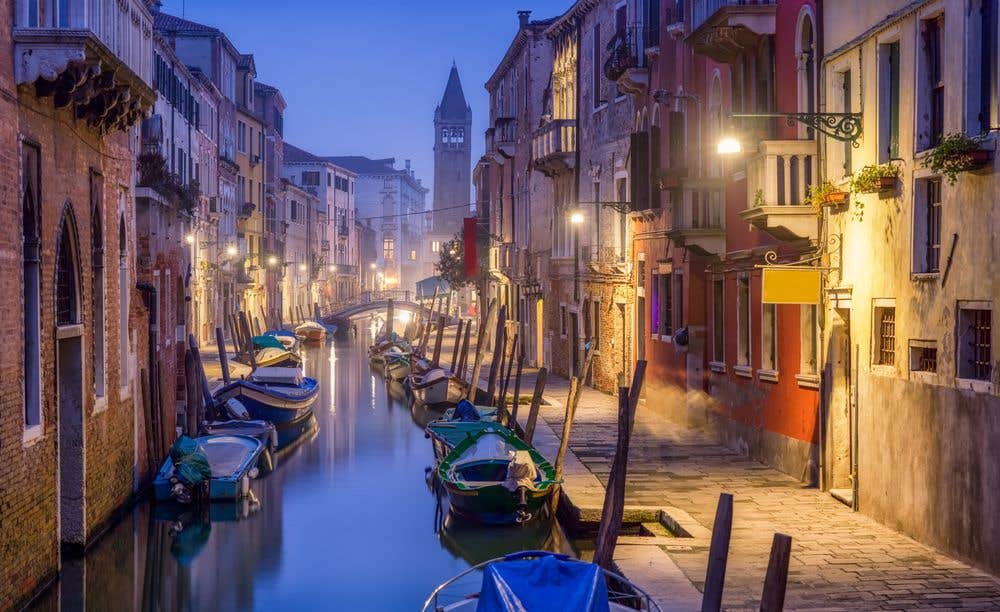
Venice in February feels calm and full of atmosphere, especially when it’s not Carnival season. Morning fog gives the city a softer look, and well-known sights are less crowded and seem more mysterious.
Be sure to visit St. Mark’s Basilica, Doge’s Palace, and the Rialto Bridge. You can also wander through quieter neighborhoods like Dorsoduro and Cannaregio, where life moves at a slower pace.
During Carnival, Venice comes alive with masked figures in St. Mark’s Square, concerts in old palaces, and public shows. Prices and crowds go up a lot, so it’s important to plan your visit carefully.
Florence – Best for Art and Museums

Florence is a great choice in February since most main sights are close together and indoors. The cool weather makes it comfortable to walk between places, even on busy days.
Visit the Uffizi Gallery, the Accademia Gallery, and the Florence Cathedral, often called the Duomo. Winter crowds are lighter, which makes these famous sights easier to enjoy. You can warm up in a cafe between stops in lively historic places like the Ponte Vecchio and Piazza della Signoria.
Rome – Best for Culture Without Crowds

Rome is lively year-round, but February offers more opportunities to explore. The cool weather makes long walks easier, and rain rarely gets in the way of indoor sights. It’s also an excellent month for museums. The Vatican Museums complex is typically open, though travelers should always check specific dates, as occasional winter closures do occur.
February gives you rare access to Rome’s icons. You can step inside the Colosseum amphitheater, walk through the Roman Forum ruins, and admire the Pantheon temple without the usual crowds pressing in. When the air turns cold, churches like St. Peter’s Basilica offer a quiet, welcoming space to slow down and take it all in.
Milan – The Olympic Hub in February 2026

Milan in February 2026 stepped into the global spotlight as a host city of the Winter Olympics. Instead of a quiet low-season atmosphere, the city buzzes with athletes, media, and visitors. Areas around Piazza del Duomo square feel festive and energetic throughout the day.
Sightseeing is still possible, but expect large crowds, especially around major landmarks. The Milan Cathedral and the Galleria Vittorio Emanuele II shopping arcade become lively gathering points during this time.
If visiting Santa Maria delle Grazie to see Leonardo da Vinci’s Last Supper, booking tickets in advance is essential. Museums like the Pinacoteca di Brera offer a warm cultural escape from outdoor events, though the city maintains a lively atmosphere throughout.
Getting around remains efficient thanks to Milan’s extensive metro and tram system, though public transport will run at full capacity. February 2026 suits travelers who enjoy major events and high-energy city life, rather than those seeking a quiet winter visit.
The Dolomites – Best for Winter Sports

February is the heart of winter in the Dolomites, when the mountains look their best and daily life revolves around snow. Peaks are fully covered, ski lifts run nonstop, and alpine villages feel lively.
You can go on ski trips to the Cortina d’Ampezzo resort town, the Val Gardena valley, and the Alta Badia region. You can also do snowboarding at the vast Dolomiti Superski area. For non-skiers, you can enjoy scenic cable car rides, winter walks, and relaxing alpine spas with mountain views.
Towns and villages are compact, walkable, and designed for winter living. Even if you never step on the slopes, February in the Dolomites offers dramatic scenery, cozy mountain culture, and a true alpine experience.
Sicily – Best for Mild Weather

Sicily is the warmest region in Italy in February, and it shows. Days are brighter, and famous sites feel open and peaceful instead of crowded. It’s a comfortable time to explore without summer heat or peak-season pressure.
Top attractions include the Valley of the Temples archaeological park in Agrigento, Palermo Cathedral, and Mount Etna, which often wears a dusting of snow in winter. In Syracuse, wandering the historic district of Ortigia feels relaxed and local, with space to stop, sit, and take it all in.
To see Sicily beyond its main cities, renting a car in Italy is strongly recommended. Public transportation can be slow, and many of the island’s most impressive archaeological sites and small towns are easiest to reach by road.
Lecce and Puglia – Best for Quiet Southern Charm

Lecce and Puglia slow down in February, which is part of their appeal. This is a good time to focus on architecture, local life, and slow walks through historic centers, free of tourist noise.
In Lecce, highlights include Lecce Cathedral, Basilica di Santa Croce, and Piazza del Duomo, where baroque details stand out in soft winter light. You can do road trips in Martina Franca, known for its whitewashed buildings and hilltop views, which feel especially peaceful this time of year.
February is not beach season here. Many coastal towns reduce services or close entirely, so this period works best if you enjoy wandering historic streets, sitting in cafes, and experiencing southern Italy at its most relaxed.
Major Events in Italy in February

February stands out in Italy for its events. While travel slows, the cultural calendar does not. From historic festivals to modern music competitions, this month offers experiences you won’t find at other times of the year.
Venice Carnival
Venice Carnival is Italy’s best-known winter event; the date may vary each year. During Carnival, the city comes alive with masks, costumes, concerts, and performances that make Venice feel like a giant stage.
You can watch masked figures cross misty bridges or gather in quiet squares that feel like a scene from a play. This atmosphere is something you only find in Venice during February.
However, Carnival week brings bigger crowds and higher prices. Hotels in Italy fill up quickly, and trains get busier. For a quieter trip, visit just before or after Carnival to enjoy Venice with fewer tourists.
Sanremo Music Festival
The Sanremo Music Festival is also a major cultural event in Italy. This televised song contest has influenced Italian pop music for years and helped many aspiring musicians to become known. This festival is especially interesting for travelers who want to experience modern Italian culture.
However, Sanremo gets crowded with music fans and media, and the evenings are full of energy. Even if you skip the shows, you’ll notice the excitement all around town.
Feast of Saint Agatha in Catania
The Feast of Saint Agatha is one of the largest religious festivals in the world. It takes place in Catania, Sicily, and attracts millions of people each year.
You can deeply experience the local vibe at this event. Processions last for days, streets fill with devotion and celebration, and the atmosphere feels raw and authentic.
Almond Blossom Festival in Agrigento
The Almond Blossom Festival marks one of the first signs of spring in Sicily. It takes place in Agrigento, near ancient Greek ruins, when almond trees begin to bloom.
In February, nature starts to wake up early with blossoming trees, mild temperatures, and cultural events combine to create a hopeful, seasonal mood that contrasts with winter elsewhere in Italy.
Valentine’s Day in Italy
Valentine’s Day on February 14 is widely celebrated in Italy, especially in romantic cities. Restaurants fill quickly, and special menus are common.
Rome, Florence, Venice, and Verona are popular choices for couples. If you plan a romantic experience in Italy, booking well in advance is essential, even in low season.
Places to Avoid or Rethink in February

February can be rewarding in Italy, but some destinations work better in other seasons. These places aren’t “bad” in winter, but the experience may not match what most travelers imagine when planning an Italy trip.
Amalfi Coast and Positano
On the Amalfi Coast in February, you’ll find a rare hush. Most locals are recharging before the spring rush, leaving towns nearly deserted. You’ll have the pastel streets to yourself, but don’t expect the usual buzz; life here hits the pause button in winter.
The rough seas can sideline ferry rides in Amalfi, so hopping from town to town isn’t as smooth as in summer. Most restaurants, hotels, and shops don’t operate regularly. But you can stroll along the cliffs and enjoy the calm, which is pure magic. If you crave variety or nightlife, February is best skipped.
Cinque Terre
Cinque Terre’s famous trails and postcard-perfect villages are at their sleepiest in February. Rain or landslides often close paths, and the fickle weather keeps you on your toes. The scenery is still enchanting, but don’t expect the full dreamy experience you see on postcards.
With many businesses closed and the towns hushed, the villages feel more subdued than storybook-charming. If you do visit, think short walks and slow exploration in Cinque Terre, perfect for travelers who can roll with the punches and aren’t counting on big adventures.
Italian Lakes
Italy’s lake regions, like Como and Garda, trade their postcard sparkle for gray skies and chilly winds in February. Lakeside strolls in Como can feel more bracing than breezy, and when the rain comes, it’s best to have a cozy cafe in mind.
Lake Garda cruises run on skeleton schedules, and outdoor fun is at the mercy of the weather. The views are still classic Italy, but the easygoing lake life is on pause until spring. If you’re traveling in February, these lakes are best as quick pit stops, not main destinations.
Where to Stay in Italy in February

If you’re deciding where to stay in Italy in February, choosing the right location is important. Winter travel favors central neighborhoods, easy transport access, and areas that stay active year-round. From historic city centers to quieter southern towns, Italy offers accommodation options for every travel style.
Best Area for Sightseeing: Historic City Centers
Staying in historic city centers keeps Italy’s most famous landmarks within walking distance, which is especially helpful during shorter winter days. In February, these areas are less crowded, making sightseeing more relaxed and enjoyable.
Recommended stays:
Hotel Vibe Nazionale, Rome – Stylish, centrally located hotel near Piazza Venezia and major attractions, great for exploring the city on foot.
Ca’ Sagredo Hotel, Venice – Luxury canal-front stay in a Venetian palace near key landmarks.
Grand Hotel Cavour, Florence – Comfortable stay with rooftop views near museums and markets.
Best Area for Art and Culture: Museum Districts
Art cities like Florence, Rome, and Venice are excellent bases in February thanks to their many indoor attractions. Staying near museum districts or historic quarters allows easy access to galleries, churches, and cafes between sightseeing stops.
Recommended stays:
Ca’ Pisani Hotel, Venice – Art-focused boutique hotel in a quieter central neighborhood.
Hotel Santa Maria Novella, Florence – Central hotel near museums and historic squares, ideal for winter stays.
Palazzo Navona Hotel, Rome – Stylish stay near Piazza Navona and important cultural sites.
Best Area for Winter Sports: The Dolomites
February is peak season in the Dolomites, and staying in alpine towns provides direct access to ski lifts, winter trails, and village amenities. Compact resort towns make it easy to get around without long transfers.
Recommended stays:
Hotel Lago di Braies – Scenic mountain stay near winter hiking routes.
Radisson Residences Savoia Palace Cortina D’Ampezzo – Comfortable base close to ski areas.
Sample Italy Itinerary Ideas for February

February travel works best when your route matches the season. These itinerary ideas in Italy focus on destinations that stay active, accessible, and rewarding during winter, while avoiding places that rely heavily on warm weather.
Classic Art Cities Route: Rome, Florence, Venice
This route is ideal if your main interest is history, art, and iconic landmarks. Start in Rome, where cooler temperatures make long walks through ancient streets more comfortable. Continue to Florence for Renaissance art, compact sightseeing, and excellent winter museum access. End in Venice, ideally outside Carnival dates, to enjoy a quieter, atmospheric version of the city.
This itinerary suits first-time visitors who want a balanced introduction to Italy without peak-season crowds. For ready-made options that combine these cities smoothly, check this Italy self-drive trip from Rome, traveling north to Florence and Venice.
Southern Escape Route: Rome, Naples, Sicily
If you prefer milder weather and a slower pace, head south. Begin in Rome, then travel to Naples for food, history, and access to nearby archaeological sites. Next, head to Sicily, where February brings the warmest temperatures and fewer visitors.
This route works well for travelers who enjoy local food, outdoor sightseeing without heat, and cultural depth. It’s especially rewarding if you rent a car in Sicily to reach smaller towns and historic sites. This self-drive road trip itinerary from Rome to Naples is a great option.
Alpine Winter Route: Milan, Dolomites, Verona
For a winter-focused trip, this route highlights Italy’s alpine side. Start in Milan, especially appealing in February 2026 during the Winter Olympics, then head to the Dolomites for skiing, snowboarding, or alpine spa stays. Finish in Verona, which offers historic charm and a relaxed city atmosphere. This 4-Day Dolomites Tour from Milan is a perfect itinerary.
Travel Tips for Italy in February

Traveling in Italy in February can be comfortable if you prepare for changing weather. Making a few smart choices helps a lot, especially when you visit regions with different climates.
Packing Essentials
Wearing layers is key. Mornings and evenings are cold, but afternoons can be mild, especially in central and southern Italy. Bring light sweaters, long-sleeved shirts, and a warm jacket so you can adjust as the day changes.
Pack waterproof shoes. Winter rain, cobblestones, and wet streets can make regular shoes slippery and uncomfortable. A waterproof jacket is helpful too, since rain can start without warning. Wearing a scarf isn’t just a trend in Italy; it keeps you warm and fits right in with local style.
Transportation Considerations
The weather can change travel plans in February. Snow in the north might delay trains, and heavy rain or wind can stop ferries. Trips to smaller islands are most likely to be canceled if the sea is rough.
Renting a car is a good idea in rural areas and places like Sicily or parts of Puglia, where public transport is limited in winter. In big cities, trains and buses are still reliable and easy to use.
Dining and Opening Hours
In winter, many places have shorter opening hours, especially in small towns and by the coast. Some restaurants close for the season, and others might only open a few days a week.
It’s a good idea to check opening hours ahead of time on Google Maps or by calling, especially in the evening. In cities, you’ll still have lots of choices, but being flexible will help you have a better trip.
Are You Ready to Visit Italy in February?

Italy in February offers a side of the country that many travelers never see. Cities feel calmer, famous sights are easier to enjoy, and daily life moves at a more natural pace. From snow-covered mountains and lively winter festivals to quiet art cities and mild southern regions, this month rewards travelers who plan with intention.
While February brings cooler weather and shorter days, it also offers fewer crowds, better availability, and more personal experiences. You can explore world-class museums at an unhurried pace, enjoy hearty seasonal food, and experience events unique to winter. With the right destinations, Italy in February feels authentic, relaxed, and deeply memorable.
Not sure if February is right for you? Italy is a year-round destination, and each season offers something different. Explore our best time to visit Italy to compare seasons, or browse Italy tours and tickets to find an itinerary that matches your travel style and timing. With the right plan, Italy is always worth the trip.
Frequently Asked Questions

Is February a good time to visit Italy?
February can be a wonderful time to visit Italy, especially if you prefer fewer crowds and lower prices. While the weather can be chilly, it’s a great time to explore museums, indulge in hearty Italian cuisine, and experience unique festivals like Carnevale in Venice.
What should I pack for Italy in February?
Pack warm layers, a waterproof jacket, comfortable shoes, and accessories like scarves, hats, and gloves. Don’t forget a travel umbrella and a day bag. Since the weather can be unpredictable, it’s a good idea to bring clothing that can be easily layered.
Are there any major events or festivals in Italy in February?
Yes, February hosts some major events like Carnevale in Venice and the Feast of St. Agatha in Sicily. These festivals offer a unique cultural experience and are definitely worth attending if you’re in the country during this time.
Is everything open in Italy during February?
While most major attractions and museums stay open, some smaller towns and coastal spots may offer limited services during the off-season. It’s wise to check ahead, especially for restaurants or shops in quieter areas. Consider exploring seasonal tours in Italy to make the most of this unique and serene time of year.
How is the weather in Italy during February?
The weather varies by region: Northern Italy can be cold and snowy, Central Italy is cool with occasional rain, and Southern Italy is milder but still cool. It’s best to check the local forecast before your trip.
Can I ski in Italy in February?
February is an excellent time for skiing in Italy, especially in the Dolomites and other mountainous regions in the north. This is the peak season for winter sports, so it’s wise to book accommodations and ski passes in advance, like this 10-day vacation package of Cortina D'Ampezzo.
What are the best cities to visit in Italy during February?
Cities like Venice, Milan, and Rome are popular in February, offering a mix of cultural events, historical sites, and shopping opportunities. Venice is particularly famous for its Carnevale celebrations during this month.
Are there any special considerations for traveling to Italy in February?
Be prepared for shorter daylight hours and cooler temperatures. It’s also a good idea to make restaurant reservations, especially in popular cities like Venice during Carnevale, as places can fill up quickly due to the festivals.
