
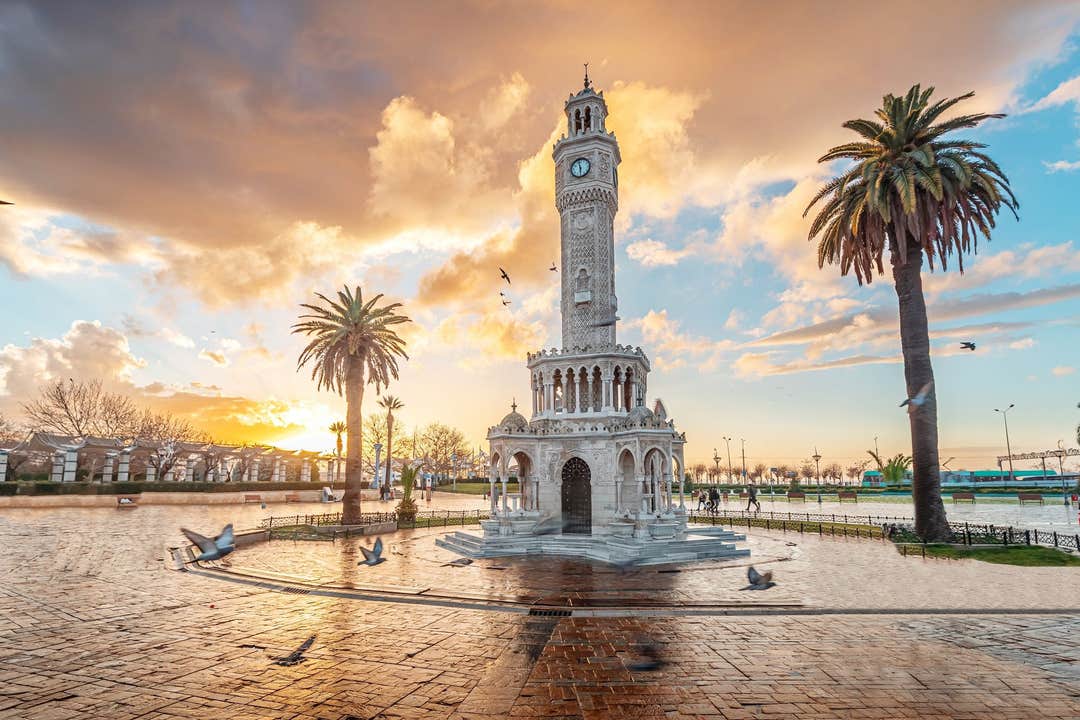


Searching for things to do in Izmir leads you to one of Turkey’s most underrated cities. Less crowded than Istanbul and richer in culture than a typical resort town, Izmir rewards travelers who value authentic experiences. This guide highlights the city’s top attractions, local favorites, and the best day trips to plan your visit.
Izmir is Turkey's third-largest city. Historically, the city serves as the gateway to some of the world's most significant ancient sites, with many organized Izmir tours and experiences providing access to archaeological wonders like the UNESCO-listed Ephesus and Pergamon Acropolis.
Culturally, Izmir is celebrated for its waterfront lifestyle along the Kordon promenade, its sprawling Kemeralti Bazaar, and distinctive Aegean cuisine.
The city also anchors access to Turkey's stunning Aegean coastline. Beach vacations in Izmir benefit from the nearby resort towns of Cesme and Alacati, famous for windsurfing, clear waters, and pristine beaches.
With Izmir accommodations ranging from waterfront hotels along the Kordon to boutique properties in historic neighborhoods, visitors can easily balance ancient history, vibrant urban culture, coastal relaxation, and culinary traditions.
Now that you know what makes Izmir special, here's how to experience it firsthand. This curated list of things to do in Izmir balances must-see landmarks with local favorites, city attractions with nearby day trips, and ancient history with contemporary culture.
Explore the Konak Waterfront Loop: Clock Tower, Kemeralti & Kordon

Most Izmir trips start in the city center, where historic landmarks, bustling markets, and the waterfront are woven into everyday local routines. Begin your exploration with a purposeful route that connects the city’s key historic and cultural sites.
Start at Konak Square, home to the iconic 1901 Izmir Clock Tower, a landmark funded by local citizens. Nearby, Konak Mosque (also called Yali Mosque) presents Ottoman architectural details rarely seen outside the city.
From there, wander into Kemeralti Bazaar, a historic commercial district that dates back to the 17th century. The bazaar’s narrow lanes reveal a working market rather than a curated one, where food stalls serve local staples like kumru sandwiches and stuffed mussels alongside spice shops and small craft vendors.
Within this maze, the Kizlaragasi Hani stands out with its vaulted stone courtyards and arcaded galleries. Once a caravanserai for Silk Road merchants, it now houses cafes and shops selling traditional textiles, jewelry, and ceramics beneath its historic arches.
Complete the loop along the Kordon promenade, where locals gather in the evenings to sit on the grass, share food, and watch ferries cross the gulf. As the sun sets over the Aegean, the waterfront offers a clear sense of how history and contemporary life intersect in Izmir.
Ride the Tarihi Asansor (Historical Elevator) for City Views

The Tarihi Asansor, built in 1907 by Jewish businessman Nesim Levi, is more than a historic elevator. It’s one of the best places to experience Izmir’s cityscape and gulf in one sweeping view.
Originally constructed to connect steep neighborhoods, the elevator still operates daily from 08:00 to midnight and offers free access, giving visitors a glimpse into both history and local life.
At the top, Asansör Restoran and Teras Kafe provide travelers and locals alike with affordable Turkish drinks and simple desserts, while they take in the panoramic view. Popular options include Turkish coffee served with lokum, traditional tea, and light sweets like sutlac or baklava.
Sunset (around 18:00–19:30) or early morning visits are ideal for photography and quieter observation, while late morning to mid-afternoon (11:00–16:00) can be crowded. For anyone seeking one of the most scenic Izmir attractions, the Tarihi Asansor blends history, culture, and iconic views into a single, memorable experience.
Trivia: Asansor is also known for its musical legacy. The nearby street is named after legendary Turkish singer, who lived in the area. His songs are often played inside the elevator, a small nod to his lasting connection with the city.
Walk Among History at the Agora Open Air Museum

No Izmir city tour is complete without a visit to the Agora Open Air Museum, the ancient Roman marketplace at the heart of Smyrna. Surrounded by modern streets, the site offers a striking glimpse into Izmir’s layered history that stretches back over 8,500 years.
Visitors can explore partially reconstructed columns, vaulted arches, and underground passageways while imagining merchants trading goods, magistrates holding court, and citizens going about daily life. Unique features such as the Faustina Gate, advanced water channels, and ancient inscriptions (including some of the earliest graffiti) make it a favorite among history enthusiasts and archaeology lovers.
Spring and autumn provide the most comfortable weather to visit, while summer afternoons are best avoided due to the heat and limited shade. The Agora of Smyrna is open daily from 08:30 to 17:30, giving visitors plenty of time to explore its ancient streets and monuments. Entry costs about 6 EUR (7 USD) for adults, with student and senior discounts available.
Trivia: A rare Solomon’s Knot mosaic was uncovered at the Agora in early 2026. It represents eternity and dates back to the Roman era.
Climb Kadifekale (Velvet Castle) for Panoramic Views

Exploring the Ancient Agora of Smyrna is best paired with a visit to nearby Kadifekale, or Velvet Castle. Perched on a steep hill, this historic fortress offers sweeping views of the city, the bay, and the surrounding hills, making it one of the most scenic viewpoints in Izmir.
The ruins reveal Smyrna’s layered history, including medieval walls and towers, Roman–Byzantine cisterns, gates, and foundations of mosques, baths, inns, and bazaars. While the fortress itself is modest, these remnants provide a fascinating glimpse into the city’s strategic and civic past.
Getting to Kadifekale on foot from Konak or Basmane is only a few kilometers, but the uphill climb is steep, and the streets are narrow and uneven. Many travelers opt for local buses, taxis, or rideshares for safety and comfort.
Once at the top, expect uneven terrain and limited facilities. Bring water and sun protection, and keep modest expectations for the ‘castle’ itself.
Early mornings or late afternoons are ideal for sightseeing and photography, while evenings or the midday summer heat are less recommended. Despite the modest ruins, the combination of history and panoramic views makes Kadifekale a rewarding addition to thoughtfully curated Izmir itineraries.
Discover Ephesus: The Ancient City Near Izmir

Just an hour from Izmir, Ephesus transports visitors to the height of Roman civilization. Marble streets, monumental columns, and grand theatres reveal a city built for commerce, culture, and civic life.
The Library of Celsus, the Great Theatre, and ornate temples showcase the architectural and social sophistication of an empire at its peak, while smaller features like intricate mosaics and hidden inscriptions give a sense of daily life in antiquity.
For first-time visitors, joining a guided Ephesus tour from Izmir is highly recommended. These tours usually include transport, entry fees, and expert narration, helping you uncover the stories behind each monument.
Travelers who prefer independent exploration can take a regional train from Basmane to Selcuk followed by a short dolmus (local mini bus) ride to the entrance. Alternatively, renting a car in Izmir offers more flexibility, allowing visits to nearby sites such as the House of the Virgin Mary.
Comfortable shoes, hats, and plenty of water are essential for navigating uneven marble paths and stairways. Official tickets cost about 40 EUR (47.20 USD) for access to Ephesus Ancient City and the Ephesus Archaeological Museum, with extra fees for the Terrace Houses (15 EUR / 18 USD) and the upper agora, home to some of the site’s most impressive mosaics.
Tip: Extend your day with a visit to Sirince Village, a hilltop town famous for boutique wines and preserved Ottoman-Greek architecture. An Ephesus and Sirince Village tour fits comfortably into a three-day itinerary in Izmir, offering a full-day balance of archaeological exploration and village life without rushing either experience.
Visit Alacati and the Cesme Peninsula

A Cesme-Alacati tour from Izmir reveals a breezy coastal escape where history, beaches, and wind sports come together. It’s one of the best things to do in Izmir for travelers seeking a mix of culture and seaside fun.
The stone streets of Alacati showcase a unique blend of Greek and Ottoman heritage, with 17th- and 18th-century houses converted into boutique hotels, cafes, and art galleries. Wander quiet alleys to discover bougainvillea-draped facades, historic windmills, and family-run vineyards in neighborhoods like Hacimemis, where visitors can sample local wines and olive oils away from the crowds.
The nearby Cesme coastline is famous for crystal-clear waters, sandy beaches, and world-class windsurfing conditions. Ilica Beach offers swimming and thermal water relaxation, Altinkum Beach shines with golden sands, and hidden coves like Delikli Koyu or Pasalimani Beach provide peaceful retreats.
Windsurfing and kitesurfing lessons are widely available along Alacati’s shores, making it a top destination for beginners and pros alike. For those who want to experience the Aegean from the water, a boat trip around Cesme with lunch is a popular option, offering scenic views of the coastline and secluded beaches.
Taste Wines Along the Urla Wine & Gastronomy Route

Just a 45-minute drive or bus ride from Izmir, Urla offers a laid-back Aegean escape celebrated for its vineyards, artisanal culture, and farm-to-table dining.
Along the Urla Wine Route, visitors can tour boutique wineries, tasting native varietals like Bornova Misketi whites and Urla Karası reds while exploring sun-drenched vineyards. Most Urla wine tours pair tastings with local cheeses, olives, and artisanal breads for an immersive Aegean experience.
In town, you can savor fresh seafood and meze at Vino Locale or Od Urla, both modern Aegean restaurants highlighting local flavors. For a true farm-to-table experience, visit Teruar Urla for seasonal dishes that celebrate the region’s produce.
Beğendik Abi offers hearty traditional and vegetable-based dishes infused with olive oil, while Seyhan Et specializes in locally sourced meats and artisan-style preparations.
Along Zafer Caddesi, casual taverns serve artichoke-focused dishes perfectly paired with local raki. Spring festivals, such as the Enginar (Artichoke) Festival, bring stalls, live music, and culinary demonstrations, adding an extra layer of seasonal excitement to the local dining scene.
History and culture enthusiasts can explore ancient sites such as Klazomenai, known for olive oil production, and Liman Tepe excavations, or stroll through Sanat Sokagı (Art Street) and Malgaca Pazari. Nearby villages like Bademler charm visitors with theaters, libraries, and cafes.
Spot Flamingos and Wildlife at Gediz Delta

“Flamingos are meeting on Gediz Delta” by Sonnur Ozgul, licensed under CC BY-SA 4.0. No edits made.
Gediz Delta, just outside Izmir, is a haven for wildlife lovers, where flocks of Greater Flamingos paint the wetlands pink. For travelers seeking wildlife and nature experiences, a visit to Gediz Delta ranks among the best things to do in Izmir.
Spring and autumn are especially spectacular, as thousands of flamingos arrive during migration. Early summer brings the delicate sight of chicks hatching among the reeds.
The delta is alive in the early morning and late afternoon, when soft light illuminates active birds. Midday heat or gusty winds can scatter the flocks, leaving the wetlands quiet and still. Observing at the right hours rewards patience with unforgettable wildlife moments.
Visitors reach the trails by car or taxi in under an hour from the city center, or wander on foot or by electric cart. Access is carefully managed to protect the ecosystem, and guided tours or official routes like the “Flamingo Road” ensure a safe and informative experience. Knowledgeable guides bring binoculars and spotting scopes, revealing more than 200 species from herons and pelicans to kingfishers and otters.
Wet trails demand sturdy shoes or mud boots, and hats, sunscreen, insect repellent, water, and snacks are essential. Visitors must respect breeding zones, avoid drones and flash photography, and stay on marked paths. Following these simple steps preserves the delta’s Ramsar-listed biodiversity while letting every birdwatcher enjoy its quiet magic.
Visit the Izmir Wildlife Park (Sasali)

Izmir Wildlife Park, also known as Izmir Dogal Yasam Parki, is a spacious modern zoo in Sasali celebrated for its ethical, open-enclosure design. Home to over 1,500 animals from more than 130 species, the park offers one of the most relaxed, family-friendly experiences in Izmir.
Visitors can stroll through African savanna habitats with zebras and hippos, watch monkeys on islands, and encounter pelicans, flamingos, and tropical reptiles in the park’s specialized centers.
Locals and guides recommend spending two to four hours exploring the grounds, especially with children. Feeding shows, conservation talks, playgrounds, and picnic areas make it an engaging outing, while the morning hours are best to see active animals before the midday heat.
The park pairs well with a visit to Gediz Delta for birdwatching, offering a full day of wildlife experiences just outside the city.
The park opens at 09:00 and is closed on Mondays for cleaning. Entry is affordable, with special rates for students and children, and parking is free. Guests are asked to avoid drones and pets, keeping the park peaceful and its habitats protected.
Fun Fact: Visitors are greeted by a 2.1-acre pond (8,450 m²) teeming with aquatic birds, setting a serene tone before exploring the park’s big cats, giraffes, and reptiles.
Explore Bergama (Pergamon) Acropolis

Bergama’s Acropolis, the ancient citadel of Pergamon, is a UNESCO World Heritage site praised for its dramatic hillside ruins and remarkable Hellenistic engineering. Perched above the town, it rewards visitors with sweeping views of the surrounding valleys and a vivid glimpse into ancient civic and religious life.
The easiest way to reach the site from the city is to book a Pergamon tour from Izmir, which typically includes guided exploration of the Acropolis and Asklepion.
For those traveling independently, the cable car from Bergama center offers easy access to the summit and panoramic vistas without the uphill climb. Adventurous visitors can walk the roughly 3 miles (5 kilometers) uphill, which takes one to two hours and follows a series of switchbacks and steep stretches.
Highlights include the world’s steepest ancient theater with seating for 10,000, platforms for the Temples of Trajan (Trajaneum) and Athena, and the site of the once‑massive library that rivaled Alexandria in its time.
Wandering through gymnasiums, agoras, and terraced ruins deepens appreciation for Pergamon’s civic life, while wildflowers in April and golden sunsets add to the dramatic setting.
Visitors should wear sturdy shoes for uneven paths and stairs and bring sun protection, as shade is scarce along the exposed summit. Taxis and dolmus buses make returning to town simple, and respecting restoration zones and fragile areas ensures this ancient treasure endures for future generations.
Frequently Asked Questions About Visiting Izmir

This FAQ answers the most common Izmir travel questions, from sightseeing tips and day trips to insider advice on beaches, ancient ruins, and local experiences, helping you plan a smooth and memorable trip.
When is the best time to visit Izmir?
The best time to visit Izmir depends on what you want to do, the weather you prefer, and your budget. Here is a breakdown by different travel priorities:
- Best time to visit for weather: April through June and September through October, with mild temperatures between 68 and 82 F (20 to 28 C) and plenty of sunshine. In July and August, temperatures can exceed 95 F (35 C) and daytime sightseeing may be uncomfortable due to intense heat.
- Best time to visit for things to do and open attractions: Spring and early autumn, when most tourist sites, museums, and coastal activities are open and local events are active. Some attractions may close for maintenance or holidays during late December to February.
- Best time to visit for budget travel: Winter months from November to March, when accommodation and flights are cheaper, and the city is less crowded. Summer, especially July and August, is the high season, driving up prices for hotels, flights, and tours.
- Best time to visit for a beach vacation: June and September, when sea temperatures are comfortable, and beaches are lively but not overcrowded. Many coastal facilities are closed during winter months (November to March).
How many days should I spend in Izmir?
Most travelers spend three to four days in Izmir to see the main city attractions and take one or two day trips. A typical itinerary includes two days exploring Izmir itself, one day visiting Ephesus, and another for the Cesme-Alacati coast or the Urla wine route. History enthusiasts may add an extra day for Bergama, and a week-long Izmir itinerary works well for those combining sightseeing with beach relaxation.
Is Izmir easy to navigate for English speakers?
English speakers generally find Izmir manageable, though some effort is required outside tourist areas. English is widely spoken in major hotels, popular attractions, and some restaurants, while local neighborhoods, markets, and public transport often require basic Turkish phrases or translation apps.
Signage at historical sites is frequently in English, and younger locals are more likely to speak some English. Once you become familiar with central areas such as Konak and the Kordon waterfront, moving around the city becomes straightforward.
How does Izmir compare to Istanbul?
Izmir offers a more relaxed and less touristy experience compared with Istanbul. The city is smaller, easier to navigate, and has shorter distances between attractions, with far less traffic congestion. Fewer international tourists mean more authentic local interactions, though English-language services are not as prevalent.
Izmir stands out for its coastal access, nearby ancient ruins, and wine country, while Istanbul is known for iconic landmarks, nightlife, and cultural institutions. Many visitors appreciate the slower pace and neighborhood charm of Izmir after the intensity of Istanbul.
What should I know about getting around Izmir?
Getting around Izmir is generally straightforward thanks to its public transport and walkable central areas. The city has an efficient metro, historic tram lines, and an extensive bus network, all accessible with the IZMIRIM card. Taxis and ride-sharing apps are widely available, while organized tours are convenient for day trips to Ephesus, Cesme, or Bergama. Renting a car gives flexibility for visiting multiple coastal towns and wineries, and the city center and Kordon waterfront are ideal for exploring on foot.
Is Izmir Worth Visiting?

Izmir is worth visiting because it offers an authentic experience that more tourist-focused destinations cannot match. The city combines ancient history, coastal charm, and local culture in a way that lets travelers feel like they are discovering Turkey as residents live it.
While parts of the city feel unpolished and English is not as widely spoken as in Istanbul, these minor challenges are outweighed by the opportunity to explore historic ruins, enjoy boutique wineries, and stroll along the scenic Kordon without crowds. These characteristics make Izmir deeply rewarding.
You can ride the Asansor alongside commuters, bargain at Kemeralti, and discover the best borek from an unmarked bakery recommended by a local. Fewer crowds mean you can enjoy the Agora without jostling for photos and linger over wine in Urla at your own pace.
Izmir may not be the place for travelers seeking effortless luxury or a checklist of Turkey’s most famous sights, but it shines for those who value depth and authentic cultural immersion over convenience. From ancient sites to flamingo-filled wetlands and vibrant bazaars, there are plenty of things to do in Izmir to keep every type of traveler curious and engaged.

