
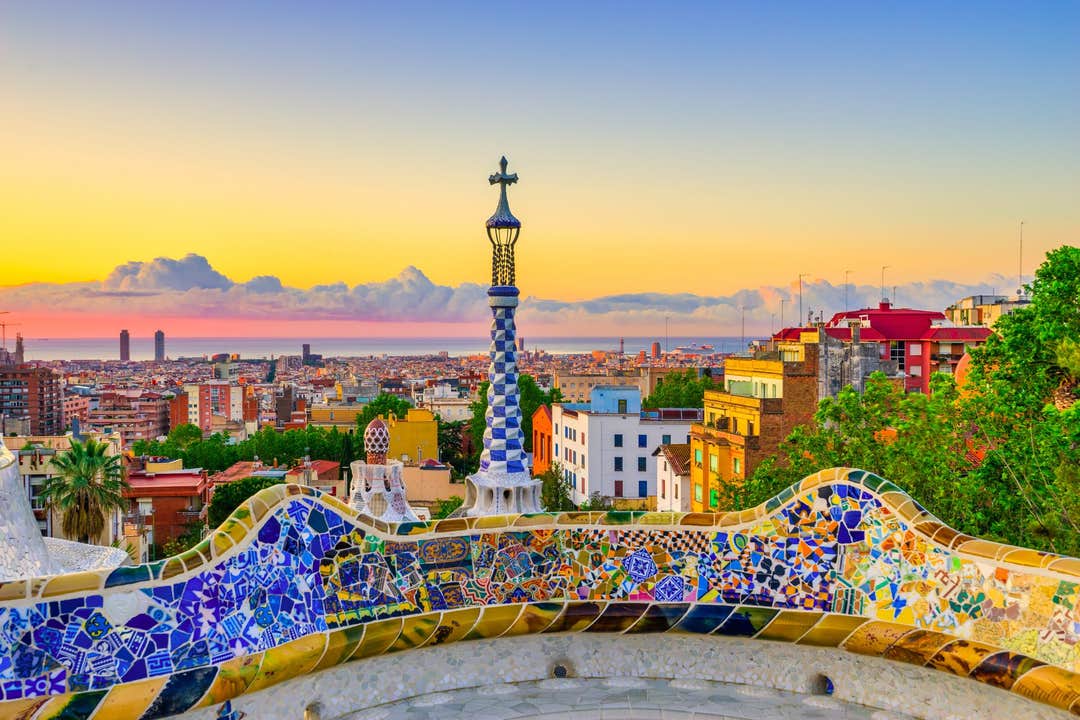


Spain in January offers a refreshing alternative to the crowded high season. While much of Europe is in full winter mode, Spain stands out with varied climates, rich culture, and cities that feel more local and relaxed. It’s an ideal month for authenticity, comfort, and better value for money.
January in Spain brings quieter streets, shorter queues at major attractions, and a slower pace that makes sightseeing far more enjoyable. From museum-hopping in Madrid to wandering historic neighborhoods in Seville or Barcelona, winter is ideal for immersive Spanish city breaks and cultural exploration without the summer heat.
Take advantage of some of the best vacation packages in Spain, as January often comes with lower demand and attractive deals. This also means greater availability at top stays in Spain, from boutique hotels in historic centers to luxury properties offering winter rates.
Budget-conscious travelers will appreciate that airlines frequently offer cheap flights to Spain in January, making it easier to turn winter into a spontaneous getaway. Combined with lower accommodation costs and fewer crowds, January is a smart and rewarding time to discover Spain at its most relaxed.
Read on to discover the best of Spain in January, from weather and the best destinations to costs, events, and practical tips.
Is January a Good Time to Visit Spain?

Spain in January is an excellent option for travelers looking for a quieter, more affordable, and more authentic experience. With fewer tourists and a slower pace of life, January is ideal for cultural exploration, city breaks, and enjoying local traditions without peak-season crowds.
Pros of Visiting Spain in January
- Fewer crowds at major attractions in Spain, like the Alhambra or Sagrada Família
- Lower prices on flights and accommodation
- Authentic local atmosphere, as cities return to everyday life after the holidays
- Excellent cultural travel weather for museums, food, and sightseeing
Things To Consider When Visiting Spain in January
- Cooler temperatures, especially in northern and central Spain
- Shorter daylight hours
- Beach weather is limited to the southern regions and the Canary Islands
January is ideal for couples, solo travelers, culture lovers, and anyone looking to avoid peak-season tourism.
Weather in Spain in January

The weather in Spain in January varies widely by region, making it important to choose destinations based on climate and travel style. From cooler and wetter conditions in the north to near-summer warmth in the Canary Islands, January offers diverse experiences for city breaks, culture, and winter sun escapes.
Here’s a regional breakdown of January weather in Spain.
Weather in Northern Spain in January

Northern Spain has a cooler, Atlantic-influenced winter with higher rainfall, creating a moody but atmospheric setting for food-focused travel and coastal cities.
- Average temperature: 41 F to 54 F (5 C to 12 C)
- Rainfall: 12 to 15 rainy days per month
- Snow: Rare at sea level; occasional in mountainous areas
- Daylight hours: Around 9 hours per day
- Humidity: Moderate to high
- Best for: Gastronomy, cultural city breaks, coastal scenery
Weather in Central Spain in January

Central Spain experiences cold mornings and evenings, but many January days are bright and sunny, making it ideal for indoor attractions and historic sightseeing.
- Average temperature: 36 F to 50 F (2 C to 10 C)
- Rainfall: 4 to 6 rainy days per month
- Snow: Occasional, especially in higher elevations or during cold snaps
- Daylight hours: Around 9 to 10 hours per day
- Humidity: Low
- Best for: Museums, shopping, historic landmarks
Weather in Southern Spain in January

Southern Spain offers some of the most comfortable winter weather in mainland Europe, with mild temperatures and plenty of sunshine, making it one of the best regions to visit in Spain in January.
- Average temperature: 50 F to 64 F (10 C to 18 C)
- Rainfall: 4 to 6 rainy days per month
- Snow: Extremely rare, except in mountainous areas
- Daylight hours: Around 10 hours per day
- Humidity: Low to moderate
- Best for: Sightseeing, outdoor activities, cultural travel
Weather in the Canary Islands in January

The Canary Islands enjoy the warmest weather in Spain in January, with a spring-like climate that’s ideal for outdoor adventures and beach time.
- Average temperature: 64 F to 73 F (18 C to 23 C)
- Rainfall: 2 to 4 rainy days per month
- Snow: None
- Daylight hours: Around 10 to 11 hours per day
- Humidity: Low
- Best for: Beaches, hiking, water sports, winter sun escapes
For more information, check the official website of Spain’s meteorological agency.
Best Things To Do in Spain in January

January offers a diverse range of experiences shaped by cooler weather, fewer visitors, and seasonal traditions. From food and wine to winter sports and warm-weather escapes, January in Spain is ideal for travelers looking to enjoy winter beyond the usual peak-season highlights.
Here are some of the best things to do in Spain in January.
Go Skiing in Spain’s Mountain Resorts

Skiing is one of the highlights of Spain in January, when snow conditions are usually at their most reliable and resorts are fully operational after the holiday period. The Sierra Nevada in southern Spain and the Pyrenees in the north offer well-maintained slopes, modern lift systems, and a wide range of runs suited to both beginners and advanced skiers.
One of the advantages of going on ski trips in Spain is how easily they pair winter sports with culture and city life. Sierra Nevada is just 40 minutes from Granada, making a 4-day ski trip to Pradollano ideal for combining skiing with historic sights and local cuisine.

In the Pyrenees, Baqueira Beret stands out for its extensive terrain and varied runs that cater to all skill levels. A 7-day ski trip to Baqueira Beret is ideal for travelers seeking a longer stay and the chance to explore the resort’s full range of slopes.
Check resort opening dates and weather updates in advance, as snowfall can vary by year. Booking lift passes online helps avoid queues, and midweek skiing is generally quieter than weekends. While higher-altitude resorts are usually reliable, lower slopes may close temporarily after warm spells, so flexibility and layered clothing are key to enjoying winter sports in Spain.
Take Advantage of Winter Shopping Sales

January in Spain is when the country’s well-known winter sales, or Rebajas, officially begin, usually right after the holiday period. During this time, shops across major cities like Madrid and Barcelona reduce prices on clothing, footwear, and accessories, creating a noticeably different shopping atmosphere compared to busier months.
Spanish shopping tours are especially enjoyable in January, when cities are less crowded, and shopping streets feel unhurried. Department stores and local boutiques are easier to explore, though some smaller shops may close earlier in the evening or on Sundays.
To make the most of the Rebajas, it’s best to shop early in the season for the widest selection and later in the month for deeper discounts.
Enjoy Spain’s Winter Food and Wine Scene

Winter in Spain invites travelers to slow down and connect with food in a more local, seasonal way. January is ideal for enjoying traditional cold-weather dishes like cocido madrileño (chickpea-based stew) and fabada asturiana (bean stew with pork and sausage), often served in neighborhood restaurants where menus change with the season.
This quieter time of year makes Spanish food and drink experiences feel more intimate and unhurried.
Cities and regions are especially well-suited to culinary tours in Spain during winter, when guides can focus on local stories and traditions rather than navigating large crowds. Tapas tours in Spain are particularly enjoyable in January, as cooler temperatures make moving between bars more comfortable and allow travelers to experience everyday dining habits alongside locals.
Food markets and wine regions also stand out during winter. Spanish market tours highlight seasonal produce and regional specialties, while vineyards in areas like La Rioja tend to be quieter, offering more personal cellar visits. It’s best to check opening hours in advance, as some markets and wineries may operate on reduced winter schedules.
Visit Museums and Cultural Attractions

Cooler weather makes Spain in January an ideal time for cultural exploration, when indoor attractions can be enjoyed comfortably and without the usual crowds. With fewer visitors, January allows for more time engaging with art, history, and architecture rather than waiting in lines.
Some of Spain’s most important museums are especially rewarding in winter. The Prado Museum and Reina Sofia in Madrid offer world-class collections that trace European and modern art, while Barcelona’s Picasso Museum provides insight into the artist’s formative years. These cultural landmarks are not to be missed, and January’s quieter pace makes it easier to appreciate their depth and scale.

Winter is also well-suited to cultural tours in Spain, including architecture tours and historical tours that focus on heritage. In Andalusia, monuments such as cathedrals, palaces, and historic quarters feel more atmospheric. Evening performances, including flamenco shows in Spain, feel especially atmospheric during the colder months.
When planning visits, it’s vital to check winter schedules, as some museums and monuments may close earlier or operate on limited days. Securing your Spanish museum tickets in advance is recommended, while sightseeing passes can be useful for those visiting multiple attractions across several days.
Explore Wine Regions During the Quiet Season

January is a rewarding time to discover Spain’s wine regions, when vineyards slow down, and wineries operate at a gentler pace. Fewer visitors mean Spanish wine-tasting experiences often feel more personal, with greater opportunity to learn about local grape varieties, traditions, and production methods in an unhurried setting.
Many wineries continue to welcome guests during winter, making winemaking tours in Spain a great option for travelers interested in the craft behind the bottle.
Urban-based experiences, such as a small-group tapas and wine experience in Barcelona or a half-day Montserrat wine and tapas trip, offer easy access to regional wines without long travel times, especially during shorter winter days.
It’s wise to check opening days and reserve tastings in advance, as some rural wineries operate on reduced winter schedules.
For those seeking flexibility, consider embarking on road trips in Spain through wine regions like La Rioja or Ribera del Duero, where quiet roads, winter landscapes, and fewer tour buses create a more reflective and immersive journey.
Escape to the Canary Islands for Winter Sun in January

For those seeking warmth, the Canary Islands are among the best destinations to visit in Spain in January. Mild temperatures, low rainfall, and generous sunshine create ideal conditions for outdoor activities, offering a clear contrast to winter conditions on the mainland.
Destinations such as Las Palmas de Gran Canaria, Santa Cruz de Tenerife, and Puerto del Carmen in Lanzarote work well for Canary Islands city breaks, blending historic streets with coastal scenery.

Don’t miss the Teide National Park in Tenerife, the volcanic landscapes of Timanfaya in Lanzarote, and the Maspalomas sand dunes, all best explored during cooler winter days.
January is also well suited to weekend getaways in the Canary Islands, especially with frequent inter-island flights and ferries. Most attractions operate year-round, though some boat tours and rural sites may run on reduced schedules, so checking opening times in advance helps make the most of a winter stay.
Best Places To Visit in Spain in January

Spain in January offers a diverse mix of destinations that truly shine during the winter months. With cooler temperatures, fewer crowds, and a slower pace, January is an ideal time to explore Spain’s cities, especially those known for culture, history, and walkable urban centers.
Here are some of the top Spanish destinations to visit in January that fit well into your winter Spain itineraries.
Seville in January

January can be regarded as one of the best times to visit Seville, when mild winter temperatures make exploring the city both comfortable and enjoyable. The absence of summer heat allows for long walks through historic streets, courtyards, and plazas at an unhurried pace.
Seville’s most iconic landmarks are particularly rewarding in winter. Sites such as the Alcazar and the Seville Cathedral complex can be explored without heavy crowds, making it easier to take in their details and atmosphere.
Securing your entry ticket to the Royal Alcazar or a Seville Cathedral and La Giralda pass in advance is advisable, as winter hours may be shorter and entry slots limited.

January also brings a quieter, more local rhythm to Seville’s neighborhoods. Traditional districts come alive in the evenings with casual dining and social gatherings, offering a more authentic sense of everyday life.
The cooler nights are ideal for relaxed walks and Seville city sightseeing tours, making it easy to explore the city at a comfortable pace.
Cultural experiences are best enjoyed after sunset. Securing a ticket to a live flamenco show at Teatro Flamenco Sevilla provides an intimate look at Andalusian tradition. At the same time, a Guadalquivir river cruise offers a peaceful way to see the city’s skyline.
Checking winter schedules in advance helps avoid last-minute changes or reduced service days.
Barcelona in January

Barcelona shines in Spain in January, when the city feels lively yet unhurried. Many consider this as one of the best times to visit Barcelona, as cooler temperatures make walking between neighborhoods and landmarks far more comfortable, while the absence of peak-season crowds allows the city’s character to come through naturally.
Gaudí’s masterpieces are delightful in winter. Booking a Sagrada Familia entry ticket with audio guide allows time to appreciate the interior’s light and detail without feeling rushed.
An admission ticket to Park Guell offers a relaxed, family-friendly way to explore the city’s architecture and views. January’s cooler weather makes uphill walks and open-air viewpoints far more pleasant.

This season is also ideal for architecture tours in Barcelona, as guides can focus on design and history rather than managing large groups. Museums and galleries typically remain open year-round, though some may close earlier in the evening, so checking winter schedules in advance is recommended.
Even in winter, Barcelona’s social life stays active. Markets, cafes, and restaurants remain central to daily life, making food and drink experiences in Barcelona especially enjoyable during January. Cooler evenings suit long dinners and casual bar hopping, offering a more local perspective on the city’s culinary culture.
Madrid in January

Madrid comes into its own during winter. Many consider January one of the best times to visit Madrid for its calm, cultural focus, and local rhythm. Cooler temperatures and fewer crowds make it easier to explore the city on foot, while clear winter days suit long museum visits and historic walks.
Madrid’s top attractions are especially rewarding at this time of year. A Prado Museum entry ticket or Reina Sofia Museum pass allows unhurried time with iconic works, while a Madrid Royal Palace fast-access ticket helps avoid limited winter queues and reduced opening hours. January offers space to appreciate these landmarks without the usual congestion.

Evenings in Madrid are made for culture and conversation. An Emociones live flamenco performance in Madrid provides an intimate introduction to Spain’s performing arts, particularly appealing during colder nights. Booking shows and Madrid museum tickets in advance is recommended, as winter schedules can be shorter.
January also suits themed experiences such as cultural tours and culinary tours in Madrid, when smaller group sizes create a more personal atmosphere.
Seasonal sales add to the city’s winter appeal, but it’s worth noting that some shops close earlier on Sundays, making planning ahead worthwhile.
Granada in January

Granada shows a quieter, more reflective side in winter. Cooler temperatures make walking through the city more comfortable, while the slower pace allows its layered history to stand out. Many consider January one of the best times to visit Granada for its balance of culture, scenery, and manageable crowds.
The Alhambra is especially memorable in January, when fewer visitors create space to appreciate its intricate design and gardens. Securing an Alhambra and Nasrid Palaces tour with tickets in advance remains essential, as daily entry limits apply year-round. Winter light also adds a softer tone to the complex and surrounding views.

Granada’s historic quarters are at their best during cooler months. An Albaicin and Sacromonte guided sunset walking tour reveals narrow streets, viewpoints, and whitewashed houses under changing winter skies. Evening cultural experiences, such as a flamenco show in La Alborea in Granada, feel more intimate during this season.
Nature is never far from the city in January. The nearby mountains make it easy to combine sightseeing with outdoor excursions, and a Sierra Nevada safari tour from Granada offers a striking contrast between snow-covered landscapes and the city below.
Checking weather conditions and winter road access in advance helps ensure smooth planning.
Malaga in January

Malaga feels especially well-balanced in winter, with mild temperatures and a relaxed coastal atmosphere. The cooler climate makes walking through the city comfortable, allowing the historic center and waterfront to be enjoyed at an easy pace, making January one of the best times to visit Malaga.
The city’s cultural attractions are particularly appealing during this season. A Museo Picasso Malaga entry ticket allows for a quieter, more focused visit, while a guided tour of Alcazaba and Roman Theatre offers clear insight into the city’s Moorish and Roman history without summer heat or crowds.
Winter opening hours can be slightly shorter, so checking schedules in advance is helpful.

January is also ideal for exploring Malaga’s outdoor spaces. The waterfront promenade is pleasant for long walks, and coastal conditions are often suitable for a catamaran sailing trip in Malaga, offering open views and a calm setting away from the busy season.
Beyond the city, nearby landscapes are easier to access in cooler weather. A Caminito del Rey guided tour from Malaga is more comfortable in winter than in warmer months, though availability may be limited. Booking tours early helps secure preferred dates during the reduced winter timetable.
Festivals and Events in Spain in January

One of the highlights of Spain in January is its rich calendar of traditional festivals that reflect regional identity, history, and seasonal customs. From nationwide celebrations to deeply local rituals, January offers a chance to experience culture in its most authentic and community-driven form.
Here are some of the festivals and events in Spain in January that you shouldn’t miss.
Three Kings’ Day (Dia de los Reyes Magos)

Three Kings’ Day is one of the most widely celebrated events in Spain in January and traditionally marks the moment when children receive gifts. On the evening of January 5, towns and cities host Cabalgatas, large parades featuring the Three Wise Men arriving on floats, accompanied by music, performers, and costumed characters.
During the parade, sweets are thrown to the crowd, and families gather in public squares to watch the procession. On January 6, celebrations become more private, with family meals and the sharing of Roscon de Reyes, a traditional ring-shaped cake.
Many businesses and attractions close that day, so advance planning is important, and the religious significance of the celebration pairs especially well with religious tours in Spain that focus on churches, cathedrals, and seasonal traditions.
Fiestas de San Sebastian

The Fiestas de San Sebastian, celebrated around January 20, honor the patron saint of the city of San Sebastian in the Basque Country. The day begins with official ceremonies and flag-raising events, followed by community celebrations across different neighborhoods.
Music, traditional performances, and social gatherings take place throughout the day. Many locals participate by wearing traditional clothing, and bars and restaurants remain lively. Some streets are closed during official events, but public transport usually runs normally.
La Vijanera
La Vijanera is a traditional pagan-rooted festival held in the village of Silio in Cantabria, usually on the first Sunday of January. It marks the transition from the old year to the new and features masked characters representing animals, spirits, and mythological figures.
Participants parade through the village, reenacting symbolic scenes that represent the battle between good and evil. The event is deeply ritualistic and tied to rural life, with limited formal infrastructure, so warm clothing and early arrival are recommended.
Las Lumbres de San Anton

Las Lumbres de San Anton is celebrated around January 16 to 17 in many parts of Spain, particularly in rural towns. Large bonfires are lit in public spaces to honor Saint Anthony, traditionally associated with the protection of animals and purification.
Communities gather around the fires in the evening, often sharing food, music, and conversation.
Roads and squares may be temporarily closed for safety, and festivities typically end early, making this a more low-key but culturally significant winter event.
Fiesta de las Cuadrillas
The Fiesta de las Cuadrillas takes place in late January in Almeria province and focuses on preserving traditional folk music and rural customs. Groups known as cuadrillas perform songs using guitars, violins, and percussion, often moving between villages.
The celebration is informal and community-driven, with music, dancing, and shared meals throughout the day.
Events do not always follow fixed schedules, so flexibility is key when attending this authentic festival in January in Spain.
What To Pack for Spain in January

Packing for Spain in January is all about layering and choosing items that adapt to changing temperatures across regions. Winter conditions vary from cool and damp in the north to mild and sunny in the south, so a flexible wardrobe helps ensure comfort throughout the trip.
Here’s what to pack when visiting Spain in January:
- Warm layers: sweaters or light thermals for cooler mornings and evenings
- Light jacket or coat: suitable for city walks and sightseeing
- Scarf: useful for added warmth and changing temperatures
- Comfortable walking shoes: ideal for cobblestone streets and long days on foot
- Rain jacket or waterproof layer: especially important for northern Spain
- Casual daytime outfits: easy to layer and adjust throughout the day
- Smart-casual evening wear: for dining out or cultural events
For the Canary Islands, lighter clothing is usually sufficient during the day, with a light jacket recommended for evenings or coastal breezes.
Travel Costs in Spain in January

Spain in January is firmly within the low travel season, making it one of the most cost-effective times to explore the country. With reduced demand after the holidays, January offers better value across flights, accommodation, experiences, and transportation, while cities and attractions remain fully accessible.
Getting To Spain in January

Flights to and within Spain are often significantly cheaper in January compared to spring and summer. International routes and domestic connections offer lower fares, making it easier to combine multiple destinations in one trip.
Alternatively, travelers coming from within Europe can choose to travel by trains to Spain, enjoying a scenic winter journey through changing landscapes while avoiding airport crowds and seasonal flight disruptions.
Where To Stay in Spain in January

Accommodation prices are generally lower, with increased availability in central and desirable areas. Some of the best places to stay in Spain in January include historic centers in Seville and Granada, neighborhoods like Sol, Malasaña, or La Latina in Madrid, and areas such as El Born or Eixample in Barcelona, where winter rates provide better access to well-located stays.
Tours and Attractions in Spain in January

Costs for tours and tickets in Spain are often more favorable in January, with greater availability and fewer time restrictions. Museums, guided visits, and cultural experiences tend to operate on winter schedules, and smaller group sizes make attractions more enjoyable.
Booking entry tickets and passes in Spain in advance is still recommended, as some attractions limit daily capacity even during the low season. Winter passes and bundled tickets can offer added convenience for visiting multiple sites over several days, helping streamline itineraries while taking advantage of quieter conditions.
Getting Around Spain in January

Transfers and transportation in Spain run year-round, including high-speed trains, regional buses, and metro systems. January’s lighter crowds make travel more comfortable, and securing public transport tickets in Spain or multi-day passes in advance can help keep costs down while moving between cities and attractions efficiently.
Sample Itineraries for Spain in January

These sample itineraries are designed to make the most of Spain in January, balancing culture, manageable travel times, and seasonal highlights. With fewer crowds and lower costs, January allows for relaxed pacing and meaningful experiences across cities and regions.
5-Day Winter Trip in Spain

This itinerary focuses on art, history, and urban culture, ideal for a short winter escape.
- Madrid (3 days): Explore world-class museums, historic neighborhoods, and winter cafe culture.
- Toledo or Segovia (day trip): Easy rail trips offering medieval architecture and dramatic scenery.
- Barcelona (2 days): Combine architecture, markets, and coastal walks without peak-season congestion.
For travelers who prefer flexibility, this itinerary can also be adapted into a multi-day tour from Madrid to Barcelona, combining cultural highlights with efficient transport between major cities.
If you enjoy driving, 5-day self-drive road trip from Madrid to Toledo, allowing time to explore historic towns and scenic landscapes at their own pace. While this itinerary doesn’t take you directly to Barcelona, it’s easy to extend your winter journey in Spain. Simply secure train tickets to Barcelona and explore the city independently at your own pace.
7-Day Spain January Itinerary

Perfect for those seeking Andalusian culture and mild winter weather.
- Seville (3 days): Historic landmarks, traditional neighborhoods, and seasonal cuisine.
- Granada (2 days): The Alhambra, Albaicin walks, and mountain views.
- Cordoba (2 days): Mosque-Cathedral visits and compact old-town exploration at a relaxed pace.
This itinerary can be adapted into curated vacation packages in Andalusia, offering a balance of guided experiences and independent exploration.
Travelers who enjoy flexibility may consider a 6-day self-drive road trip from Seville to Cordova and Granada, ideal for discovering Andalusia’s historic cities at a relaxed pace.
For a more expansive journey, a 9-day self-drive road trip from Almeria to Granada, Cordova, Seville, and Malaga allows you to experience the region’s diverse landscapes, coastal stretches, and cultural highlights in one seamless route.
Winter Sun Escape

Best suited for those prioritizing warmth and outdoor activities.
- Canary Islands (7–10 days): Enjoy beach walks, hiking, volcanic landscapes, and nature-focused travel in Spain’s warmest winter region.
This winter sun escape is ideal for travelers looking to unwind with curated vacation packages in Canary Islands, combining mild temperatures with outdoor-focused experiences. From volcanic hikes to nature reserves and relaxed island living, these packages offer an effortless way to enjoy Spain’s warmest winter destination without sacrificing comfort or flexibility.
Final Thoughts: Why Visit Spain in January?

Spain in January stands out as a rewarding time to explore the country, blending cultural depth with practical advantages. Fewer crowds and a slower pace make everyday life, food culture, and historic spaces easier to experience naturally.
One of the strengths of January in Spain is its variety. From museum-friendly weather in major cities to mild winter sunshine in the south and the Canary Islands, the month suits different travel styles while offering better value across flights, accommodation, and experiences.
Compared to Spain in December, January feels calmer and more settled once the holiday rush has passed. Festive traditions continue early in the month, but the atmosphere quickly shifts toward local routines, making it easier to enjoy cultural attractions, dining, and sightseeing at a relaxed pace.
For those seeking a mix of culture, comfort, and value, many consider this one of the best times to visit Spain. Whether focusing on historic cities, winter festivals, food and wine, or warm-weather escapes, January offers a thoughtful and flexible way to experience Spain beyond the peak season.
Planning your winter trip? Spain in January might be exactly what you’re looking for.
FAQs About Visiting Spain in January
Here are some of the frequently asked questions about visiting Spain in January.
Is Spain cold in January?
Spain in January can feel cool, but temperatures vary widely by region. Northern and central areas such as Madrid, Galicia, and the Basque Country experience colder mornings and evenings, while southern Spain remains mild and comfortable for sightseeing. The Canary Islands are the warmest destination, offering spring-like conditions throughout January.
Can you go to the beach in Spain in January?
Beach experiences in January in Spain depend on the location. Mainland beaches are generally too cool for swimming but are ideal for scenic walks and coastal views, especially in Andalusia and Catalonia. For swimming and sun-focused activities, the Canary Islands are the best option, with mild sea and air temperatures. This makes beach vacations in the Canary Islands comfortable and enjoyable even in winter.
Is January too quiet in Spain?
January is quieter than peak season, but it is far from inactive. Cities remain fully operational, with museums, restaurants, cultural venues, and tours running as usual. Spain in January offers a slower pace that enhances cultural exploration, dining, and city walks without the congestion of summer.
Are attractions in Spain open in January?
Yes, most Spanish attractions are open year-round, including major museums, landmarks, and guided tours. Some sites operate on winter schedules, with slightly reduced hours or limited days, particularly after major holidays. Booking tickets in advance is still recommended for popular attractions with daily entry limits.
Is January a good time for cultural travel in Spain?
Absolutely. Cooler weather makes January one of the best months for museums, architecture, and historic sites. With fewer visitors, Spain in January is ideal for cultural tours, city sightseeing, and evening performances such as flamenco, which often feel more intimate during winter.
How easy is it to get around Spain in January?
Getting around is straightforward in January. Public transportation operates year-round, including high-speed trains, regional rail, buses, and metro systems, with lighter crowds making travel more comfortable. Securing public transport tickets or multi-day passes can help streamline winter itineraries.
For greater flexibility and a more guided experience, you can also book private drivers in Spain, especially for day trips or multi-city routes.
Are there festivals or special events in Spain in January?
Yes, January in Spain features several important cultural events, including Three Kings’ Day, regional winter festivals, and traditional folk celebrations. While these events add cultural depth, they can also affect shop and attraction hours on specific days, so checking local calendars is advised.
Is Spain in January good for budget travel?
January is one of the most cost-effective months to visit Spain. Flights, accommodation, and tours in Spain are often cheaper, with better availability across major cities. Combined with fewer crowds, this makes January an excellent time for value-focused travel without sacrificing experiences.
