
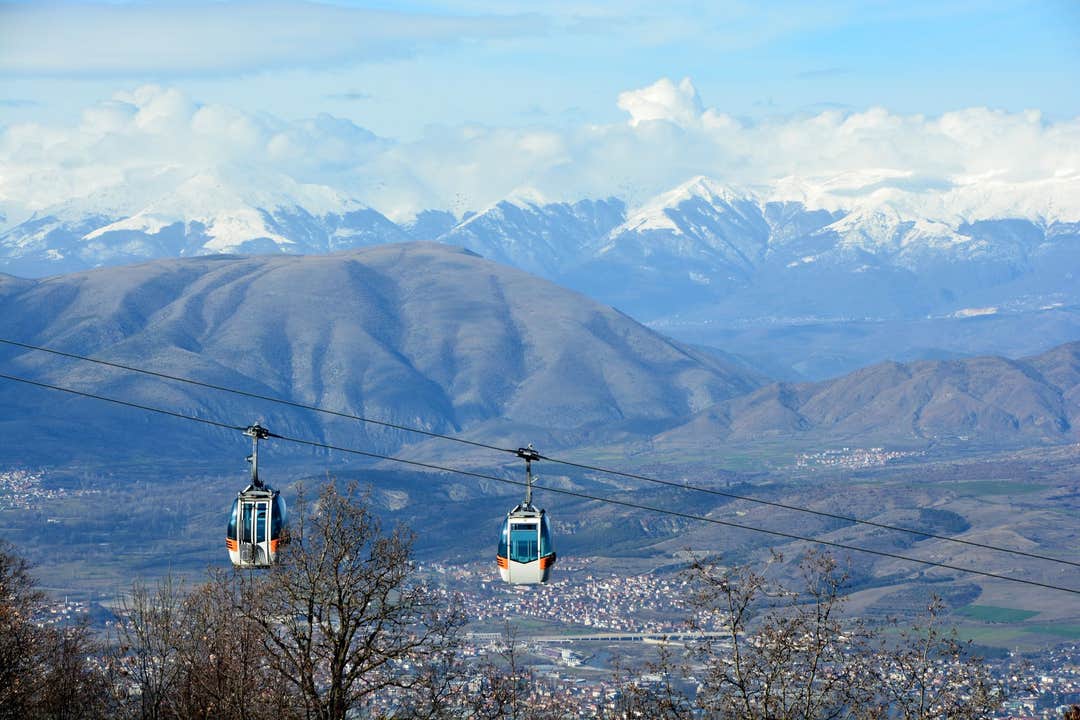


Explore what North Macedonia in January is really like, from winter weather and daylight to typical costs and crowds. Plan your trip with practical packing advice, city-by-city recommendations, and seasonal tips that make winter travel easier.
January is the best time to visit North Macedonia for travelers who value quiet cities, lower prices, winter scenery, and a slower pace of travel. While it’s not the season for outdoor cafes or long sightseeing days, January offers calm urban life and a more local atmosphere in cities like Skopje, Ohrid, and Bitola.
Lower winter demand also means better value on travel packages in North Macedonia, making it easier to plan a longer or multi-stop trip without peak-season costs.
You’ll also find cheaper flights to North Macedonia in January, particularly after the holiday season, while schedules remain reliable throughout the winter. Because overall demand is lower, it’s easier to secure better value at the best hotels in North Macedonia, whether you’re booking a short city stay or a longer winter trip.
With travel logistics more flexible and affordable, January is a good time to focus on experiences that suit the season. Winter travel in North Macedonia favors indoor culture, local food, quiet sightseeing, and mountain landscapes over fast-paced itineraries, and the sections below highlight worthwhile ways to spend your time during a January visit.
Key Takeaways: North Macedonia in January
- January is one of the most affordable months to visit North Macedonia, with lower prices on flights, hotels, tours, and travel packages.
- Cities such as Skopje, Ohrid, and Bitola remain lively and accessible, offering museums, cafes, cultural sites, and a strong local atmosphere despite winter conditions.
- Mountain regions like Mavrovo, Popova Shapka, and Krusevo experience reliable snowfall, making January ideal for skiing, snowboarding, and winter scenery.
- Winter weather varies by region, with cold but manageable conditions in cities and consistently freezing temperatures in higher-altitude areas.
- Fewer crowds make sightseeing calmer and more flexible, especially at major attractions, museums, and historical sites.
- Indoor activities, traditional food, and cafe culture play a central role in January travel, balancing shorter daylight hours and colder temperatures.
- Planning around limited daylight, winter road conditions, and adjusted opening hours helps ensure a smooth and enjoyable trip.
- January is well-suited for travelers seeking slow travel, cultural experiences, and winter landscapes rather than fast-paced itineraries.
Climate and Weather in North Macedonia in January

The weather in North Macedonia in January is defined by cold temperatures, frequent frost, and a true continental winter feel. Conditions vary widely between the lowlands and the mountains.
In cities such as Skopje, Ohrid, and Bitola, temperatures generally range from 24 to 41 F (−4 to 5 C), with daytime hours offering only a slight lift above freezing. Snow does fall in these areas, but only occasionally, creating a manageable winter atmosphere.
January is much colder in the country’s high altitude regions. Mountain destinations like Mavrovo, Popova Shapka, Shar Planina, and Krusevo experience the most reliable winter weather in North Macedonia, with temperatures often sitting below freezing even during the day.
Nighttime temperatures frequently drop to around 14 F (−10 C) or lower, and these regions accumulate consistent snowfall throughout the month. This makes the mountains the top places for skiing, snowboarding, and other winter sports, especially compared to the milder conditions in the lowlands.

Daylight is another important factor when visiting North Macedonia in January. With roughly nine hours of light each day, you should plan your outdoor activities in North Macedonia earlier in the day, especially when exploring lakeside towns, archaeological sites, or national parks.
Cloud cover is frequent, and morning fog is common in the Vardar Valley, particularly in Skopje. Clear days, however, offer some of the most beautiful winter views in the Balkans, whether over Lake Ohrid or across the snow-covered slopes of Mavrovo National Park.
To help you plan your winter visit, here’s an overview of the weather in North Macedonia in January:
- Lowland temperatures: 24–41 F (−4–5 C), with occasional snow and frosty mornings
- Mountain temperatures: Consistently below freezing, often near 14 F (−10 C) at night
- Snowfall: Heavy and reliable in the mountains; lighter but scenic in cities like Skopje and Ohrid
- Daylight: About 9 hours per day, with early sunsets and shorter sightseeing windows
- Typical conditions: Cloud cover, fog in valleys, and periodic rain or sleet in lowland regions
- Best areas for winter landscapes: Mavrovo, Popova Sapka, Sar Planina, and Krusevo
What To Pack for North Macedonia in January
Packing for North Macedonia in January means preparing for cold winter conditions across the country. Bring warm, flexible layers to move comfortably between outdoor temperatures and heated indoor spaces in cities like Skopje, Ohrid, and Bitola, with thermal clothing especially useful for sightseeing and walking.
If you plan to visit mountain areas such as Mavrovo, Popova Shapka, Shar Planina, or Krusevo, pack heavier winter gear, as temperatures often stay below freezing and snowfall is reliable. An insulated coat, waterproof boots, and a warm hat, gloves, and scarf are essential, while winter sports clothing may be needed for skiing or snowboarding.
Dry indoor air makes moisturizer and lip balm helpful, and sunglasses are useful on clear days when snow reflects sunlight. A small daypack is practical for carrying layers and essentials during daily outings.
Here is a quick overview of what to pack for North Macedonia in January:
- Insulated winter coat suitable for freezing temperatures
- Thermal base layers for warmth without bulk
- Mid layers, such as fleece or wool sweaters
- Waterproof boots with non-slip soles
- Warm hat, gloves, and scarf or neck gaiter
- Moisturizer and lip balm for dry winter air
- Sunglasses for glare on snow and reflective surfaces
- Microspikes or traction devices for icy mountain paths
- Winter sports clothing if planning to ski or snowboard
- Daypack with a waterproof cover for outings
Crowds and Costs in North Macedonia in January

Traveling in North Macedonia in January gives you one of the quietest and most budget-friendly experiences of the year. Because January falls in the deep winter period, most international visitors wait for the warmer seasons, which means cities like Skopje, Ohrid, and Bitola feel calm and easy to explore.
You can visit museums, historical sites, and local markets without peak season congestion, and even popular winter destinations such as Mavrovo and Popova Shapka stay quieter than major ski resorts in other parts of Europe.
January also brings some of the lowest travel costs in the country. Hotels in North Macedonia often reduce their rates significantly, making it a great time to book higher category accommodations for less. Flights to North Macedonia tend to be more affordable too, especially after the holiday period.
You will also find good value on tours in North Macedonia, along with lower prices at restaurants and for local transportation. Ski hotels may see a small increase in demand on snowy weekends from domestic travelers, but prices remain reasonable compared to other Balkan winter resorts.
Since January is off-season, some rural restaurants, small guesthouses, and family-run shops may operate with limited hours. Larger cities and major winter resorts continue offering full services, which makes them dependable bases for your January itinerary. Outdoor attractions may adjust their hours to match the shorter winter daylight.
Best Places To Visit in North Macedonia in January
When you explore North Macedonia in January, you will notice how different each region feels during winter. Cities stay lively and accessible, while the mountains offer the country’s best snow and winter scenery. Whether you want outdoor activities or cultural experiences in North Macedonia, January offers a mix of quiet cities and snowy landscapes.
Skopje in January

Skopje in January offers a comfortable winter base with plenty of attractions that remain open year-round. The Old Bazaar is one of the best places to start your visit, especially in winter when the narrow lanes are quiet, and the tea houses feel warm and inviting. Joining a guided experience like this private walking tour of Skopje is an easy way to explore the Old Bazaar and nearby historic areas while getting local context.
You can browse goldsmiths, traditional craft shops, and bakeries without the summer crowds. The Stone Bridge and Macedonia Square are also pleasant to explore, and their open spaces feel calmer during the winter season.
For indoor sightseeing, Skopje’s museums offer strong options. The Archaeological Museum displays ancient Macedonian history, while the Museum of the City of Skopje provides insight into the city’s past, including the 1963 earthquake. The Memorial House of Mother Teresa is another highlight, offering a peaceful cultural stop.

On clear days, outdoor activities in Skopje add variety to your visit. A walk up to Kale Fortress provides panoramic winter views, while nearby nature spots remain accessible when conditions are stable.
Matka Canyon is especially rewarding in winter, and experiences like this half-day Mount Vodno, Saint Panteleimon, and Matka Canyon tour combine city viewpoints with canyon scenery in one easy outing. Boat rides to Vrelo Cave may operate depending on water levels, and the canyon trails are particularly striking against winter landscapes.
If you want a simple starting point for planning your time in the capital, you can also browse Skopje travel packages for ready-made itineraries and flexible trip options.
Ohrid in January

Ohrid in January is serene, making it perfect for travelers who enjoy winter calm and cultural depth. The Old Town is filled with Byzantine churches, stone houses, and quiet streets that are easy to explore at your own pace.
The Church of Saint John at Kaneo remains one of Ohrid’s most iconic landmarks, set on a cliff above Lake Ohrid. In winter, the viewpoint is nearly empty, offering some of the best lake views of the season. The Church of Saint Sophia is another major landmark that remains open and provides a fascinating look at medieval frescoes and Byzantine architecture.
Lake Ohrid itself becomes one of the main attractions in January. Clear winter light enhances the landscape, making lakeside walks from the Old Town to the harbor especially scenic.

The Ohrid Boardwalk and the Kaneo path are ideal for relaxed strolls, while a panoramic boat tour of the Old Town and lakeshore offers a different perspective of the city when weather conditions allow.
Winter is also a great time to enjoy local flavors through experiences like a wine tasting at a nearby Ohrid winery or hands-on Ohrid cooking classes, both of which suit the slower pace of the season.
Cafes and restaurants remain active through winter, creating a warm atmosphere after a day of exploring. With its quiet streets, open landmarks, and winter views, Ohrid in January is ideal for travelers seeking history and scenery without the crowds. It’s an appealing time to plan a vacation to Ohrid if you prefer a slower, more atmospheric experience.
Monastery of Saint Naum in January

The Monastery of Saint Naum in January offers a rare mix of cultural significance and winter tranquility. As one of the region’s most important spiritual sites, it features preserved frescoes, a notable iconostasis, and the tomb of Saint Naum, which many visitors consider a meaningful highlight. Winter brings fewer tourists, allowing you to take in the atmosphere without distraction.
The surrounding area is just as appealing. The natural springs that feed Lake Ohrid remain active year-round, and the boardwalk paths through the springs create a peaceful winter walk. The views over the lake from the monastery terraces are crisp and clear on sunny January days.
This destination pairs well with a stay in Ohrid, as the lakeside drive remains accessible on most winter days. Travelers who prefer not to drive can also visit the monastery as part of a full-day Lake Ohrid boat trip that includes the Bay of Bones and the Monastery of Saint Naum, combining cultural landmarks and lakeside scenery in a single outing.
Mavrovo in January

Mavrovo is one of the best places to visit in North Macedonia in January for winter travelers. Mavrovo Ski Center typically offers reliable snow conditions throughout the month, making it ideal for skiing and snowboarding. The slopes cater to beginners and more advanced visitors, and ski rental services are available, which makes planning easy.
Beyond skiing, you can explore the winter scenery of Mavrovo National Park. Snow-covered forests and open fields create striking views for photography and short walks. Mavrovo Lake, often partially frozen or edged with fresh snow, becomes a quiet seasonal highlight.
As you drive through the park, several scenic pull-offs let you stop for winter photos or simply take in the mountain air. If you prefer a guided experience, you can visit the area on a private tour from Skopje to Mavrovo National Park and Ohrid, which combines mountain landscapes with one of the country’s most scenic routes.
You can also add a cultural stop to your visit with the Saint Jovan Bigorski Monastery, which is often accessible in winter, depending on road conditions. The easiest way to reach it is on a guided tour of Mavrovo, Galicnik, and Saint Jovan Bigorski Monastery from Skopje, pairing religious heritage with traditional villages and winter scenery.
Bitola in January

Bitola in January offers a vibrant yet manageable city experience. Shirok Sokak stays lively throughout winter, lined with open cafes, restaurants, and shops. The neoclassical buildings and wide pedestrian street make it enjoyable to explore even on colder days. Many visitors simply enjoy walking the boulevard with a hot drink, observing local life.
For sightseeing, the Bitola Museum provides detailed historical exhibits, including artifacts from North Macedonia’s Ottoman and Macedonian periods. If conditions are dry, the archaeological site of Heraclea Lyncestis offers a fascinating look at ancient ruins, mosaics, and an amphitheater.
If you’re staying in the capital, you can go on a private full-day tour to Ohrid and Bitola and experience historic towns, lakeside scenery, and archaeological sites in one well-paced winter day.
Best Things To Do in North Macedonia in January
If you are planning a winter trip and want to know what to do in North Macedonia, it helps to focus on activities that work well with January weather and opening schedules. Here are the best things to do in North Macedonia in January.
Try Traditional Macedonian Winter Food

January is one of the best months to experience authentic Macedonian cuisine, as restaurants and traditional taverns focus on hearty winter dishes that are rarely emphasized in summer.
You can expect filling meals such as baked beans (tavče gravče), stuffed cabbage rolls (sarma), slow-cooked stews, oven-roasted vegetables, local cheeses, and freshly baked bread. These dishes are widely available, affordable, and designed for cold weather, making January an excellent time to explore Macedonian food without overspending.
For the most authentic experience, you should eat in traditional taverns (kafanas), where winter menus are more common, portions are generous, and meals are meant to be enjoyed slowly.
If you prefer a guided introduction to Macedonian food and drink, you can also choose from several highly rated food and drink experiences in North Macedonia:
- Tasting of 6 Macedonian Wines Paired with Avant-Garde Dishes in Skopje – A curated food and wine experience where you sample six Macedonian wines paired with creatively prepared dishes, offering a modern take on local flavors and a structured introduction to the country’s culinary scene.
- Kartal Winery Tour and Wine Tasting in Skopje – A popular wine experience that introduces you to local winemaking traditions, with tastings of regional wines often paired with light local snacks.
- Monastery Winery Tour and Wine Tasting in Ohrid – A cultural wine experience where you explore Macedonian wine traditions alongside historical and regional context, offering a deeper understanding of the country’s food and drink heritage.
Go Skiing, Snowboarding, or Sledding

January offers the most reliable snow conditions in North Macedonia, making it the best month for winter sports. Skiing and snowboarding here are centered around a few key mountain areas rather than organized day tours, and most travelers plan their ski time by staying close to the slopes.
The main places to ski in North Macedonia are Popova Sapka, located near Tetovo and known for its mix of beginner slopes and freeride terrain, and Mavrovo Ski Center, which offers reliable snow, accessible slopes, and a relaxed setting suitable for beginners and intermediate skiers.
Brezovica Ski Resort in the Sar Mountains provides longer runs and more varied terrain, particularly appealing to intermediate skiers. Smaller ski areas around Pelister are also popular for casual skiing, sledding, and snow play, especially for families and first-time visitors.
Travelers who prefer to combine skiing with sightseeing can also build winter sports into a longer route through the country. For example, a 12-day road trip starting in Skopje and looping through North Macedonia includes planned stops in Mavrovo and Tetovo, making it possible to ski at Mavrovo and Popova Sapka along the way before continuing on to other regions.
Spend Evenings in Cafes and Traditional Taverns

Winter is when North Macedonia’s cafe culture is at its strongest. Locals spend long evenings socializing over Turkish-style coffee, tea, wine, or rakija, making cafes and traditional taverns central to daily life in January. This gives travelers an authentic way to experience local culture without relying on packed itineraries or scheduled events.
Service is intentionally slow, and lingering is expected, so evenings are best approached at an unhurried pace, with time to sit, talk, and observe. This rhythm suits slow travelers, digital nomads, and anyone looking to balance cold outdoor days with warm, social indoor spaces.
In addition to visiting cafes and taverns on your own, there are a few experiences that offer a structured way to explore local music, neighborhoods, and social life:
- Traditional Balkan Night with Live Music and Dance in Skopje – An evening experience centered on regional music, traditional dancing, and a lively tavern-style atmosphere, offering insight into Balkan social culture during winter nights.
- Skopje Shutka and Aqueduct Guided Tour with Coffee – A walk through distinctive neighborhoods, paired with a coffee stop that reflects everyday café culture and provides local context through conversation and storytelling.
Visit Museums and Indoor Cultural Attractions

January is an excellent month to explore museums and indoor cultural attractions in North Macedonia. Cold or snowy weather makes indoor activities more appealing, and fewer visitors mean museums are quieter and easier to enjoy at a relaxed pace.
These visits provide valuable historical and cultural context and can be easily combined with cafe stops or short walks between nearby attractions. Always check winter opening hours in advance, as some museums may close earlier or be closed on Mondays.
In Skopje, several indoor cultural attractions are well suited to January visits:
- Museum of the Macedonian Struggle for Independence – A fully indoor museum near the city center that explores the country’s path to independence and modern statehood.
- Archaeological Museum of Macedonia – Located near the Vardar River, this museum houses extensive indoor collections from ancient to medieval periods.
- Museum of Macedonia – Situated near the Old Bazaar, this large indoor museum covers archaeology, ethnography, and national history.
- Museum of Contemporary Art – An indoor gallery space featuring Macedonian and international modern art exhibitions.
- Memorial House of Mother Teresa – A centrally located indoor museum dedicated to the life and humanitarian work of Mother Teresa.
- Macedonian Holocaust Museum – A fully indoor museum documenting the history of the Jewish community in North Macedonia.
- National Gallery at Chifte Amam – An art gallery housed inside a former Ottoman bathhouse in the Old Bazaar.
- History Museum & Academy of Arts “Suli An” – An indoor exhibition space located within a historic inn in the Old Bazaar.
- Macedonian Archbishop Cathedral “St. Clement of Ohrid” – A large cathedral with accessible indoor spaces and notable religious art.
Outside the capital, there are also indoor cultural attractions worth including:
- Robevci House National Museum – An indoor museum located in a traditional house in Ohrid’s old town, showcasing local history and artifacts.
- Museum of Bitola – An indoor museum in the city center covering the cultural and historical development of Bitola.
- Natural History Museum “Dr. Nikola Nezlobinski” – An indoor museum in Struga focusing on regional flora, fauna, and geology.
In addition to museums, theatres, concert halls, and galleries, Skopje and Bitola host plays, classical music performances, exhibitions, and cultural shows throughout January. Checking local listings after arrival is the best way to find evening performances and temporary exhibitions.
Relax in Saunas, Spas, and Wellness Centers
Cold January temperatures make saunas, spas, and wellness centers one of the most practical ways to relax in North Macedonia. Many hotels and wellness facilities offer saunas, steam baths, indoor pools, and massage treatments, providing warmth and recovery after winter walks or outdoor activities. With fewer visitors at this time of year, spa facilities are generally quieter, easier to book, and offer a more relaxed atmosphere, especially on weekdays.
Because wellness experiences are most enjoyable when they are not rushed, they tend to fit best into trips where you stay in one place for several days. This is why longer stays, such as a 7-day city break in Skopje or a 7-day city break in Ohrid, work well in January. Both cities have hotels with on-site wellness facilities, allowing spa time to be built naturally into your daily routine and balanced with indoor cultural attractions, cafes, and short walks.
Festivals and Events in North Macedonia in January
When you visit North Macedonia in January, you will find several meaningful winter traditions that offer a genuine look at local culture. January is a quieter month, but the events that take place are important to communities across the country and add depth to your travel experience.
Orthodox Christmas on January 7

Orthodox Christmas is one of the most significant holidays in North Macedonia in January. Churches hold special services, families gather for traditional meals, and towns take on a warm holiday atmosphere. If you are in Skopje, Ohrid, or Bitola, you can observe local customs and see how communities celebrate this important day.
Old New Year on January 14
Some regions still observe the Old New Year based on the Julian calendar. The celebrations are small and vary by town, but you may come across music, gatherings, or simple community traditions. While not a major nationwide event, it offers another glimpse into local life during January.
Epiphany Vodici on January 19

Epiphany, known locally as Vodici, is one of the most well-known traditions you can witness in North Macedonia in January. A priest throws a wooden cross into a river or lake, and participants jump into the cold water to retrieve it. This ceremony takes place across the country, with Ohrid and Struga hosting some of the most attended events. It is a unique opportunity to see an important local custom in person.
Seasonal Fairs and Winter Markets
In some years, cities like Skopje and Bitola host small winter fairs, food markets, or cultural programs. These depend on the season and weather, but when they occur, they offer a relaxed way to experience local products and community life.
Tips for Traveling in North Macedonia in January

January changes how you plan your trip, so it helps to know what works well during the winter season. These tips make it easier to move around, choose the right places to stay, and adjust to the conditions you can expect in North Macedonia in January.
- Stay in main towns: Skopje, Ohrid, and Bitola have open hotels, restaurants, shops, and reliable transport, which makes winter travel easier. Smaller towns can be very quiet in January and may not offer many dining or accommodation choices.
- Check opening hours: Some museums, churches, and smaller attractions shorten their hours in winter or close on certain weekdays. Looking up hours before you go helps you avoid unexpected closures and works well with shorter daylight hours.
- Plan transportation ahead: Bus routes operate in winter but may run less often on certain lines. If you rent a car, make sure it has winter tires and check road conditions before driving to mountain areas where snow and fog are common.
- Use clear days for outdoor sights: Places like Lake Ohrid viewpoints, Matka Canyon, and mountain lookouts are best enjoyed on clear days. Fog and clouds are common in January, so flexible planning helps you choose the right time for outdoor activities.
- Start your day early: Daylight is limited, so beginning activities earlier gives you more time for sightseeing and safer travel before dark, especially when you are moving between towns.
- Check restaurant availability: City restaurants stay open, but smaller or lakeside places may operate with limited hours in winter. Checking ahead avoids arriving at a closed restaurant, especially in quieter areas.
- Carry some cash: Cards are widely accepted in larger towns, but rural shops, markets, and some taxis may prefer cash. ATMs are common in major towns but not always available in villages.
- Book ski weekends early: Mavrovo and Popova Shapka can fill up on winter weekends when snow conditions are good. Booking early ensures you get the accommodation and equipment you want.
- Keep indoor options ready: Weather can shift quickly in North Macedonia in winter, so having museums, cafes, or galleries as backup plans helps you make the most of your day when outdoor activities are affected.
Embrace the Magic of North Macedonia in January

January gives North Macedonia a calm and easygoing atmosphere. Streets are quieter, viewpoints are open, and sightseeing feels more relaxed than in the busy months. Cities like Skopje, Ohrid, and Bitola remain pleasant to explore, with plenty of museums, historic areas, and cafes that stay open throughout winter.
The mountains add a different kind of appeal. Snow in Mavrovo, Popova Shapka, and Krusevo creates peaceful winter scenery and makes these areas ideal for skiing or short outdoor walks. Even a simple drive through the mountains can be enjoyable on clear days.
January also includes important cultural moments such as Orthodox Christmas and Vodici, giving travelers a chance to see local traditions that shape everyday life across the country.
If you want to learn how January compares with other seasons, you can check out our guide to the best time to visit North Macedonia. For planning ideas, you can also look at the top things to do in North Macedonia to help build your itinerary. When arranging your trip, it’s worth keeping an eye on winter deals for flights to North Macedonia and checking travel packages to North Macedonia if you prefer a bundled option.
Frequently Asked Questions About North Macedonia in January
The questions below cover the most common concerns about visiting North Macedonia in January.
Is North Macedonia in January worth visiting?
Yes. North Macedonia in January is worth visiting if you enjoy quiet destinations, lower prices, winter scenery, and skiing. Cities stay easy to explore, and major attractions remain open.
How cold is North Macedonia in January?
North Macedonia in January is cold, with city temperatures ranging from 24 to 41 F (−4 to 5 C). Mountain areas are colder and often reach around 14 F (−10 C) at night.
Does it snow in North Macedonia in January?
Yes. Snow is reliable in the mountains and lighter but still possible in the cities. Resorts such as Mavrovo and Popova Shapka typically have steady snowfall all month.
Is January a good month for skiing in North Macedonia?
Yes. January is one of the best skiing months. Mavrovo and Popova Shapka offer good snow, rental equipment, ski lessons, and slopes for different skill levels.
What should I pack for North Macedonia in January?
Pack warm layers, a winter coat, waterproof boots, gloves, a hat, and a scarf. Bring or rent winter sports gear if you plan to ski.
Are attractions open in January in North Macedonia?
Most major attractions in Skopje, Ohrid, and Bitola stay open. Some smaller museums or rural sites may operate with reduced hours, so checking opening times is recommended.
Are roads safe to drive in North Macedonia in winter?
Yes, but conditions vary. City roads are usually fine, while mountain routes may have snow or fog. If you rent a car, request winter tires and check road updates before driving to higher elevations.
Are restaurants open in January?
Restaurants in major towns stay open. Smaller or lakeside restaurants may have limited winter hours, so confirming availability in advance is helpful.
Are flights to North Macedonia available in January?
Yes. Flights operate normally, and fares are often lower after the holiday season, making January a good time for budget travel.
Is January a busy tourism month in North Macedonia?
No. January is one of the quietest months, offering fewer crowds, easier sightseeing, and better availability for hotels and tours.
Can I visit Lake Ohrid in January?
Yes. Lake Ohrid and the old town remain open and peaceful. While swimming is not part of the season, the views, lakeside walks, and cultural sites are still enjoyable.
Is it easy to travel between cities in North Macedonia in January?
Yes, but plan ahead. Buses operate year-round, though some routes may run less frequently. Weather can slow travel in mountain areas, so allow extra time for journeys.
What indoor activities are available in January?
Good indoor options include museums in Skopje, churches and galleries in Ohrid, cultural sites in Bitola, and warm cafes throughout the main towns.
